
Welding Electrodes: Which Type is Best for Your Needs?
If you're in the market for welding electrodes, it's important to know the advantages and disadvantages of each type. In this article, we'll go over the most common types of welding electrodes and what makes them unique.
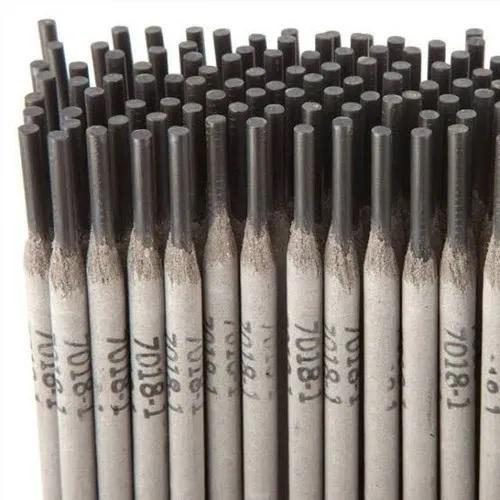
Mild Steel Electrodes
Mild steel electrodes are the most commonly used type of welding electrode. They are used for welding mild steel components and are often referred to as low hydrogen electrodes. They are also inexpensive, making them a popular choice for small businesses and MSMEs in India.
Advantages
Here are the advantages of using mild steel electrodes:
- Easy to use: Mild steel electrodes are easy to use, even for beginners. They produce a consistent arc, making them ideal for welding thin sheets of metal.
- Strong, durable welds: Mild steel electrodes produce strong and durable welds that can withstand a lot of stress and pressure.
- Inexpensive: Mild steel electrodes are one of the most affordable types of welding electrodes, which makes them a great option for businesses with a tight budget.
Disadvantages
While mild steel electrodes are a great option for many welding projects, they do have some disadvantages:
- Not suitable for high-stress or high-temperature components: Mild steel electrodes are not suitable for welding components that will be exposed to high temperatures or high levels of stress.
- Can produce brittle welds in some situations: In some situations, mild steel electrodes can produce brittle welds. This is because they have a high hydrogen content, which can lead to hydrogen-induced cracking in some metals.
Stainless Steel Electrodes
Stainless steel electrodes are designed for welding stainless steel components. They produce strong, durable welds that resist corrosion and other forms of wear and tear.
Advantages
Here are the advantages of using stainless steel electrodes:
- Strong, durable welds: Stainless steel electrodes produce strong and durable welds that can withstand a lot of stress and pressure. They are ideal for welding components that will be exposed to harsh environments or corrosive materials.
- Resists corrosion and wear and tear: Stainless steel electrodes are highly resistant to corrosion and other forms of wear and tear, making them ideal for use in harsh environments.
Disadvantages
The disadvantages of using stainless steel electrodes are as follows:
- More expensive than mild steel electrodes: Stainless steel electrodes are more expensive than mild steel electrodes, which can make them a less attractive option for businesses with a tight budget.
- Require more expertise to use correctly: Because stainless steel electrodes require more expertise to use correctly, they may not be the best choice for beginners or those with limited welding experience.
Cast Iron Electrodes
Cast iron electrodes are used for welding cast iron components. They're easy to use and produce strong welds that can withstand high temperatures and stresses.
Advantages
The advantages of using cast iron electrodes include:
- Easy to use: Cast iron electrodes are easy to use and produce a consistent arc, making them ideal for welding thin sheets of metal.
- Strong welds that can withstand high temperatures and stresses: Cast iron electrodes produce strong welds that can withstand high temperatures and stresses, making them ideal for use in harsh environments.
Disadvantages
The disadvantages of using cast iron electrodes include:
- Prone to cracking: Cast iron electrodes are prone to cracking, which can lead to weaker welds and a less durable finished product.
- Require more expertise to use correctly: Like stainless steel electrodes, cast iron electrodes require more expertise to use correctly, which can make them a less attractive option for beginners or those with less experience in welding.
Aluminum electrodes
Aluminum electrodes are specifically designed for welding aluminum components. They produce strong and durable welds that resist corrosion and other forms of wear and tear.
Advantages
The advantages of using cast Aluminum electrodes include:
- Strong, durable welds: Aluminum electrodes are known for producing strong and durable welds. This is because the material has excellent thermal conductivity, which helps to distribute heat evenly throughout the weld.
- Resists corrosion and wear and tear: Aluminum is naturally resistant to corrosion, which makes it an ideal material for welding components that will be exposed to harsh environments, such as saltwater.
- Lightweight: Aluminum is a lightweight material, which makes it a popular choice for welding components that need to be lightweight but still strong.
Disadvantages
The disadvantages of using cast Aluminum electrodes include:
- More expensive than mild steel electrodes: Aluminum electrodes are more expensive than mild steel electrodes
- Requires more expertise to use correctly: Welding aluminum requires a higher level of expertise than welding other materials. T
- Susceptible to porosity: Aluminum is a highly reactive material, which means it can be susceptible to porosity if not welded correctly.
Buy welding electrodes online at L&T-SuFin
Choosing the right welding electrode is crucial for achieving strong and durable welds. Factors such as the material being welded, as well as the stresses and temperatures the components will be exposed to, should be considered. Mild steel electrodes are a good choice for most applications, but stainless steel, cast iron, and aluminum electrodes may be more suitable in certain situations.
For all your welding electrode needs, L&T-SuFin is the leading platform to buy industrial products online in India in 2023. With logistics and finance support available for all products, you can trust L&T-SuFin to provide the best products and services.

The Ultimate Guide to Selecting Welding Electrodes for Small Businesses and MSMEs in India: Types, Uses, Safety, and Tips
If you're a small business owner or MSME in India, or even a medium- to large-sized company looking to buy industrial and construction products online, you may have heard about welding electrodes but may not know much about them. In this guide, we will provide you with a comprehensive understanding of welding electrodes, their types, and how to choose the right one for your business.
Welding is a process that involves joining two or more materials through the application of heat, pressure, or both. One of the essential components of welding is the welding electrode, which serves as the source of the electrical current needed to create the weld. Welding electrodes come in different types, each with its own unique properties and applications. In this comprehensive guide, we will explore two main types of welding electrodes: consumable and non-consumable, and their subcategories.
What are Consumable Welding Electrodes?
Consumable welding electrodes are electrodes that melt during the welding process, and their material is deposited in the weld pool to join the workpieces. They are divided into two main categories: bare electrodes and coated electrodes.
Bare Electrodes
Bare electrodes are welding electrodes without any type of coating. They are mostly used in applications where there is no need for coated electrodes. Bare electrodes have low hydrogen levels, making them ideal for welding materials that are susceptible to hydrogen cracking. However, they are not suitable for welding in environments that have high moisture levels.
Coated Electrodes
Coated electrodes are welding electrodes that have a coating applied to them. The coating serves several purposes, including protecting the weld pool from atmospheric contamination, improving the arc stability, and reducing spatter. Coated electrodes are classified according to the coating factor, which is the ratio of the diameter of the electrode to the diameter of the core wire.
- Medium Coated Electrodes
Medium coated electrodes have a coating factor of 1.45. They are used in welding applications that require a medium penetration depth. Medium coated electrodes have a higher deposition rate than light coated electrodes.
- Shielded Arc or Heavily Coated Electrodes
Shielded arc or heavily coated electrodes are categorized based on their coating factor, which ranges from 1.6 to 2.2. These types of electrodes have a precise composition and are available in three variants: cellulose-coated electrodes, mineral-coated electrodes, and electrodes coated with both cellulose and mineral. Shielded arc or heavily coated electrodes are primarily used in welding applications that require a deeper penetration depth.
What are Non-Consumable Welding Electrodes?
Non-consumable welding electrodes are electrodes that do not melt during the welding process. Instead, they conduct electricity and provide a heat source for welding. Non-consumable electrodes are divided into two main categories: carbon or graphite electrodes and tungsten electrodes.
Carbon or Graphite Electrodes
Carbon or graphite electrodes are made up of carbon and graphite and are mostly used in cutting and arc welding applications. These electrodes have a high melting point, making them suitable for high-temperature welding applications. They are also suitable for welding in environments that have high moisture levels.
Tungsten Electrodes
Tungsten electrodes consist of tungsten and are a non-filler metal electrode. They have a high melting point and are used in welding applications that require a high-temperature welding process. Tungsten electrodes are used in Tungsten inert gas welding (TIG) and carbon arc welding.
Choosing the Right Welding Electrode
Choosing the right welding electrode is critical to achieving a high-quality, durable weld. Here are some tips to help you choose the right welding electrode for your project:
- Determine the type of welding you will be doing: Whether you’re doing MIG or TIG welding, it’s essential to choose an electrode that’s compatible with your welding process.
- Match the electrode to the material you will be welding: Different types of welding electrodes are designed for specific types of materials, such as steel, aluminum, or stainless steel. It’s essential to choose an electrode that’s compatible with the material you will be welding.
Choose the appropriate electrode size based on the thickness of the material: The thickness of the material you will be welding will determine the size of electrodes.
Buy welding electrodes online at best price at L&T-SuFin
At L&T SuFin, we are committed to being the go-to platform for buyers looking to purchase industrial products online in India. Our extensive range of welding electrodes is designed to cater to a variety of welding processes and applications. Moreover, we offer logistics and finance support for all our products to make the purchasing process as seamless and hassle-free as possible.
Visit our website and browse our extensive range of industrial products today. And don't forget to check out our blog for more informative content on industrial products.
Why Property Owners should use Water Proofing Chemicals for their Roofs
Many businesses, property owners, and establishments often consider the usage of waterproofing chemicals for their roofs/terraces. However, they often shy away from the same, owing to misleading perceptions of higher costs and operational hassles. Yet, waterproofing your roof is a must, considering that the terrace is a key structural component of your building.
Roof Waterproofing- Why it is essential
Waterproofing will help you combat water-linked damages in the long run, building a secure layer/barrier between the structure and water, thereby lowering overall deterioration, structural damage, and foundational damage risks greatly. Water-linked damage can be hazardous for buildings, especially when there are persistent seepages and leaks to fix. It not only reduces property value but also hinders its occupational quotient greatly while posing safety threats in the long haul. Hence, using the right water proofing chemical for your roof is something that you should not avoid. It will not always be as costly as you think, provided you act smartly and at the right time.
How you benefit from Roof Waterproofing
Using water proofing chemicals for your roof naturally comes with multiple benefits. These include the following:
- The lifespan of your roof naturally increases with the right waterproof coating. This will lower the effect of extreme light and heat on the terrace as well. Waterproofing chemicals work as membranes, securing your roof from long-term wear and tear, resulting from environmental fluctuations, heavy rainfall, and other factors.
- Using suitable water proofing chemicals for your roof will help you avoid structural damage. Moisture and water may seep through the roof and lead to the corrosion of beams and angles that support the property. Concrete is also porous and waterproofing of the terrace will help combat its steady deterioration due to water.
- Waterproofing the roof is also a way to maintain the visual appeal of the building or establishment. A terrace with patches and spots, along with fungus, mildew, and mould, may not always be appealing for occupants or building users. Waterproofing helps prevent spots, stains, and other visual eyesores.
- You can also keep a multitude of health issues away through the usage of suitable water proofing chemicals for the roof. Upon moisture seeping into the home through the terrace, it may lead to several related health issues including allergies and even breathing discomfort. Mildew, mould, and fungus are harmful to the health and occupational safety of people using the structure. This is where roof waterproofing comes into play, keeping these issues away successfully.
- Waterproofing your roof is more affordable if you consider the bigger picture, as compared to totally overhauling or redoing the roof. It is also cheaper than periodic and frequent fixes and repair jobs for leaky roofs. Waterproofing will enhance the sustainability and lifespan of the roof while enhancing the property or building value considerably as well. Higher structural integrity automatically leads to a higher building valuation.
Thus, using good waterproofing chemicals for roofs is essential if you want to increase the longevity of the terrace and also boost your property value. Simultaneously, it also enhances the overall health and occupational standards of the structure in question.
Buy Waterproofing chemicals online at L&T-SuFin
You will find quality waterproofing chemicals and equipment/products across multiple essential categories at L&T-SuFin, ranging from manufacturing equipment to IT and electricals, and also products for the building and construction segment. You can also get finance and logistics support for your purchases here. At the same time, read up on more blogs to bolster your knowledge of the industry and its nuances.
Waterproofing chemicals for home protection- A guide
Waterproofing is a vital task that needs to be performed for every home. This is the procedure of ensuring waterproof or water-resistant structures to keep them immune under various conditions. Waterproofing of these structures enables lower humidity levels within the home along with lesser damage resulting from prolonged exposure to water. Based on expert recommendations, waterproofing also helps in enhancing the overall durability and longevity of any structure. Hence, there is a need as a homeowner, to do your homework on the subject and find the top waterproofing chemical that can help you with protecting your home. What are these suitable chemicals? Find out more below.
What are the benefits of waterproofing your home?
Using waterproofing chemicals for your home comes with numerous advantages. These include the following:
- Keeping moisture and dampness at bay from getting into the walls of your house.
- Preventing seepage-related damages which may otherwise damage the home’s structural stability.
- Seeping water and moisture may lead to decaying wood and rusting metals. Waterproofing helps prevent these scenarios as well.
- Waterproofing for the foundation enables greater strength for the same, thereby enhancing the overall market value of the home as well.
- Longer life of the structure is guaranteed if you use the right waterproofing chemicals for the home. This will help retain and preserve the structural integrity of any concrete floor, walls, and other areas.
- You can keep cracks away from appearing on concrete surfaces.
- You can also ensure higher occupational safety for all residents with a proper waterproofing strategy.
- You may also combat fungus, mould, mildew, and other harmful elements, while lowering overall water absorption by the structure.
- You can also lower overall cleaning and maintenance costs in the long run.
The Best Liquid Water Proofing for Your Home
When it comes to choosing a waterproofing chemical for your home, you will have several choices to contend with. Some of them include the following:
Grout and Epoxy
These are compounds that may be used for your existing structures which are already being used or have been witnessing cracks of late. The chemical has to be injected carefully into the cracks or gaps through surface holes for insertion of the material. This results in the formation of the sealant that ensures water-resistant layers.
Vinyl ester resin
These are waterproofing chemical compounds for concrete surfaces that help in combating acid or corrosion-related damages. The resin enables the creation of membranes that are waterproof and help in safeguarding against any water-related damages and moisture alike.
Polyurethane
This kind of waterproofing chemical is usually helpful for more exposed areas, including roofs. They are comparatively costlier but are regarded as useful in getting the job done.
Polyurea
This is a highly flexible and robust coating that comes with water-resistance and abrasion-resistance properties. It also has antibacterial attributes.
Bituminous
This is called an asphalt coating and is suitable for waterproofing foundations that are made of concrete. The attributes are majorly dependent upon the grade of polymer in usage along with the fibre that is added to these chemicals.
Poly Acrylic
This is one of the most effective waterproofing materials that are used for structures made of concrete. This waterproofing chemical is used for sealing up any leaks on the terrace or the walls. This is carried out by highly skilled experts as well. The compound is fused with cement for sealing purposes.
Buy waterproofing chemicals online at L&T-SuFin
Selecting and using the right waterproofing chemicals is a must for keeping your home safe and secure for its occupants and future generations alike. Waterproofing is something that should be ideally done as early as possible. L&T-SuFin is a one-stop platform for meeting all your requirements for waterproofing chemicals and other essential products and solutions.
L&T-SuFin is a platform where you will find everything under one roof. The best part is that there are several additional advantages offered by this platform like logistics and financial support to make the customer experience happier. You can also read more blogs on diverse topics to gain in-depth knowledge about different industries like building and construction, electricals, equipment, IT, engineering, printing, and more.