
New-age waterproofing chemical formulations: All you need to know
Waterproofing chemical formulations are a solid foundation for the construction industry worldwide. Waterproofing is achieved by making the structure resistant to water and this is enabled by suitable chemical formulations for waterproofing. These chemicals are used to waterproof several parts of the buildings that are developed for both residential and commercial purposes. Before delving deeper into waterproofing chemicals, one should know that membranes and coatings are usually used for this purpose while building structures which also add to structural integrity.
Waterproofing chemicals have a major function in building construction, enabling a layer of protection, thereby ensuring a more controlled environment. This also enables restricting the penetration of water at the same time. Numerous such waterproofing chemicals include hypalon, polyvinyl chloride, EPDM, bituminous materials, and more. Damp proofing is also integrated into the waterproofing procedure at times. It is executed with grouting, liquid coatings, primers, plasters, and concrete additives. Earlier waterproofing methods like HDPE or PVC have their limitations. New-age techniques and formulations have greatly evolved towards enabling better layers of protection around structural peripheries. Here is a look at some of the top waterproofing chemical formulations available today.
Nanotechnology for waterproofing purposes
Nanotechnology has been undergoing a process of steady evolution, whereby there has been extensive research done on its integration into daily life and myriad applications. Ceramic coating is now being used for waterproofing chemical formulations. Nano coating comes with hydrophobic properties and oleo-phobic attributes as well. Hence, the surface can restrict the entry of water, dry particles, dirt, and oil. Several super-hydrophobic coatings are deployed throughout dry surfaces. The best part is that nano-coating does not lead to any colour changes on the surface after application. It remains invisible for the most part.
Crystalline waterproofing technologies
Another technology used for waterproofing chemical formulations is crystalline waterproofing. Crystalline waterproofing chemicals combat the movements of water through concrete. This is done by enabling the creation of a specific barrier for waterproofing purposes. The chemical formulation enables the reduction of the permeability of water along with the porosity of regular concrete. This enhances its overall lifespan and durability greatly. It also lowers overall maintenance costs in turn. Whenever any liquid comes into contact with any surface, then there is the formation of a contact angle between the edge of the liquid drop and the surface. This is required to be higher to make any surface super-hydrophobic or hydrophobic.
This technology has a chemical reaction with water whenever it is applied to concrete and non-hydrated particles of cement. This also form needle-shaped crystals which are insoluble, filling up micro-cracks and pores of capillaries while blocking all water and contaminant pathways at the same time. Any moisture levels seen throughout the concrete’s lifespan will naturally stimulate crystallization, leading to permanent protection through suitable waterproofing.
Waterproofing membranes
Another one of the highly advanced waterproofing chemical formulations is membranes, which come in either liquid or sheet forms. Liquid membranes are either rolled, sprayed or trowelled onto concrete surfaces, leading to the formation of a rubbery and waterproof coating. Sheet membranes have a distinct form. They remain stuck towards the concrete surface for ensuring a waterproof barrier. Hence, they restrict the penetration of water into the building’s structural elements or even other finished areas. Micro-cracks are also sealed for lowering permeability levels. This also works to safeguard the concrete against any intrusion of water, even when the hydrostatic pressure is on the higher side.
Self-healing spray-on coating which repels water
Self-healing and water-repellent coating (spray-on) is another unique technique for waterproofing surfaces. This is an innovation that is yet to grow roots around the world and the mainstream construction industry, using a material known as the fluorinated polyurethane elastomer and another F-POSS molecule that repels water. The coating can heal itself innumerable times upon damage. It can also self-heal from a chemical standpoint. This makes it one of the most unique offerings that the world has witnessed till now.
Buy waterproofing chemicals online at L&T-SuFin
You can try L&T-SuFin for their vast line-up of waterproofing chemical formulations. We offer several options for industrial and commercial applications ranging from construction and manufacturing equipment to electrical and more. You can also get finance and logistics support for all these products without any hassles. Read more on these unique offerings and also how to select the best options that suit your specific needs.

How to select the best waterproofing chemical for home
The demand for high-quality waterproofing chemicals has only increased over time, especially since more people are now aware of the need to secure their homes from issues in future. Good waterproofing is a must to prevent dampness and other damaging issues. Issues arise due to unwanted intrusion or seeping of water into the structure and foundation. This may lead to disastrous consequences in the future.
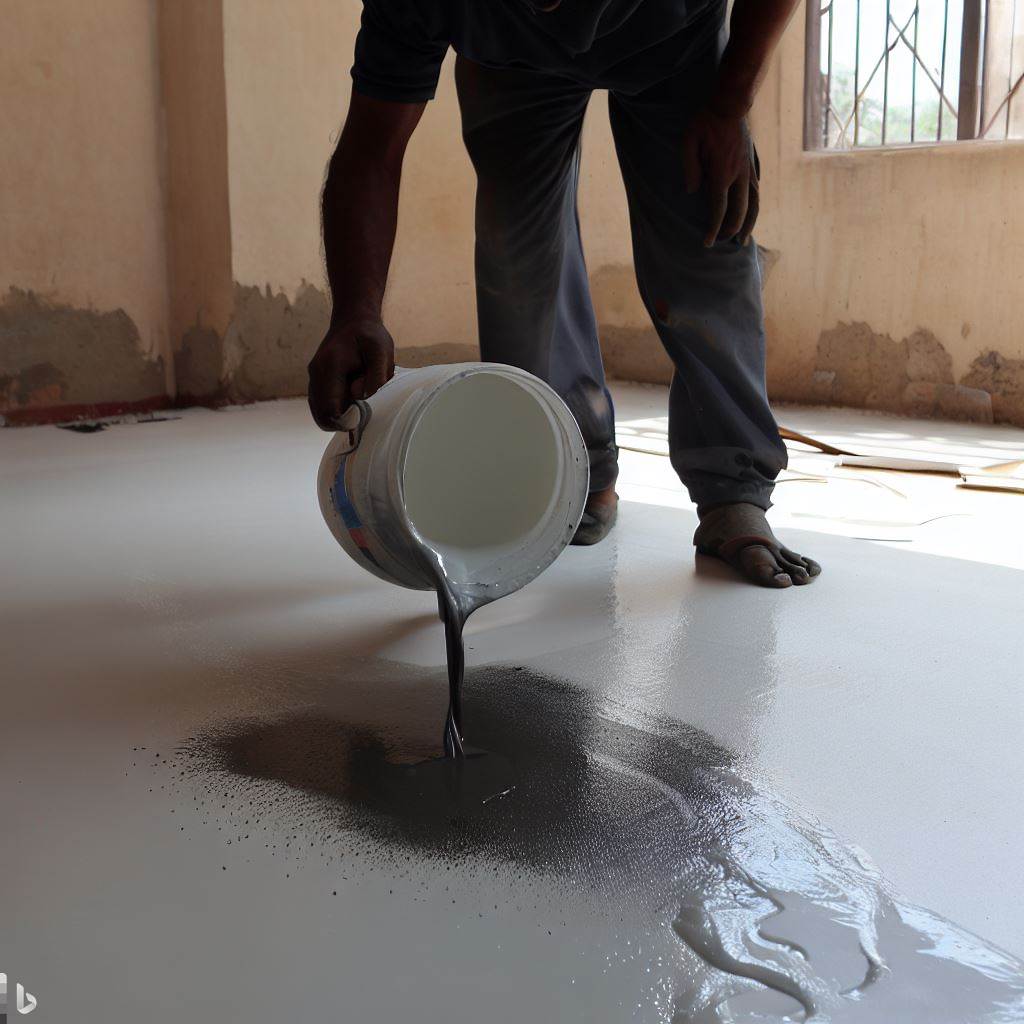
Home waterproofing- A matter of immense importance
Investing in suitable waterproofing materials is a must for ensuring a longer life for your home. Nowadays, numerous kinds of materials have been launched in the waterproofing market. These include several advanced options as well. Here is a basic guide to understanding a little more about them.
Elastomeric Coating
Elastomeric Coating is a cutting-edge waterproofing material that ensures greater durability and safety while safeguarding the concrete structure in question. It is applied in a manner that is similar to priming and printing. It is also easy to execute at the same time. A good exterior primer is required for painting the concrete in question, while the polymer paint application happens for the top surface. Two coats have to be enough while the polymer acrylic paint is also for surface irregularities, smaller cracks, and gaps.
The elastomer is a solution that comes with elastic attributes. It can reshape itself based on the structure where it is applied. This will stay behind a waterproof and air-proof seal. This also helps in safeguarding concrete buildings for several years, irrespective of the temperature aspect. It is an excellent covering and is a lot thicker than the paint in question. It enables the creation of a flexible but thick coating which enables a waterproof exterior for the structure.
Silicone Sealant
Silicone Sealant is another waterproofing material that is worth investing in as per several experts. It helps with effective waterproofing. Silicone sealant is useful for safeguarding concrete and boosting its waterproof attributes. Silicone also works as a crack filler along with a sealant and may be applied for cracks till a quarter inch or 0.6 centimeters thin. It is a material that is used for extensive waterproofing. Polyurethane or silicone sealant will function neatly, including in the renewal of concrete structures which are already well-guarded.
Hence, silicone fillers may be used for colour corrections while renovating homes or even post-rough construction. The sealant may be applied with the help of a spraying method or extrusion may happen with the help of a regular paint roller. Silicone sealant is an ideal choice for those seeking more detailed solutions. It comes in an adhesive liquid form and usually resembles a gel. It comes with a unique chemical structure as compared to other organic and polymer-based adhesives. Unlike them, silicone retains its overall flexibility and balance at both lower and higher temperatures successfully.
Membrane Waterproofing
This is another waterproofing material that you can consider investing in. This is a concept that is deployed by several people. Membranes are some of the top materials that are used during the waterproofing procedure. This helps safeguard the concrete from adverse weather conditions and liquid membranes are neatly used for the concrete structure in question. There are flexible attributes that lead to the formation of impermeable layers upon the concrete to safeguard the interiors from any external damage. Waterproofing solutions may be chosen for foundations, basements, and sub-structures along with other suitable layers for ducts and bigger drainage pipes. Membranes are names for those structures which are permeable on a selective basis.
Crystallized Waterproofing
These sealants are also suitable waterproofing materials as per several experts. They function through a catalytic reaction which helps in concealing holes, cracks, and other irregularities within concrete. They also enable easier closing of concrete pores and capillaries while penetrating deeply into the concrete for better sealing of cracks that often happen naturally for these structures.
Buy waterproofing chemicals online at L&T-SuFin
You should always do your homework before choosing suitable waterproofing material for your building or house after comparing the options mentioned above. For the best materials, look no further than L&T-SuFin, which offers a vast collection of products in categories like building and construction, electricals, IT, manufacturing, safety equipment, and more. All products also come with finance and logistics support for maximum convenience and comfort. You can also read more about topics concerning various industrial products online.
How to choose the right water proofing chemical for concrete?
Before you get into the intricacies of finding the right water proofing chemical for concrete structures, you should first think about waterproofing as a crucial part of home building and maintenance.
Waterproofing- An essential aspect of any home
Many people neglect this with disastrous consequences in the long run. You should know that no structure will be completely immune to damage resulting from water seepage and absorption. Hence, even the strongest concrete buildings will see natural damage with time.
This may lead to the property value going down and also structural integrity which poses safety hazards for the family. There is also a direct impact of water-related damage on the aesthetics of the home while necessitating frequent repairs and maintenance which may also be costly. Chemical waterproofing solutions will help you combat these issues and keep your home robust. The top waterproofing solution for residential or commercial/industrial structures will be dependent upon the type of structure in question and some other aspects. Consulting experts is the best way out in this regard. Here are some options regarding the best water proofing chemical for concrete buildings.
Waterproofing chemicals for concrete structures—What are the options available to you?
When it comes to finding the right water proofing chemical for concrete structures, here are some of the top choices that are worth considering:
Grout and Epoxy
These have to be injected into the concrete surface, especially if cracks are forming on the same. This is possible by putting chemicals into cracks or drilling surface holes for the insertion of the material. The grout will be injected by applying pressure and it reacts with the water inside for the sealant formation. This will lead to a resistant layer forming in place of the earlier crack.
Vinyl Ester Resin
This is another water proofing chemical that is quite popular for usage across concrete structures. These are coatings applied on the surfaces for resisting damage due to corrosion or acid. The resin’s chemical attributes enable waterproofing membranes that keep water damage and moisture away.
Polyurethane Liquids – These are chemical membranes that are used for open and exposed surfaces, including roofs. They are flexible although ideally suited for flatter surfaces without enhancing the concrete’s moisture levels.
Polyurea Coatings
These are excellent coatings that come with polymer-like molecular attributes. They can take care of water damage, abrasion, and other issues with their strength and anti-bacterial features.
Bituminous Methods – These coatings are suitable water proofing chemicals that are ideal for building foundations. They are also called asphalt coatings which fuse gravel or sand, with attributes depending on the grade of polymer and fibre.
Crystallization Waterproofing Solution
These solutions are tailored chemically for resisting the impact of several aspects leading to corrosion, such as NO2, CO2, and CO along with damages from water. The surface porosity is a key aspect here since the crystalline substance attributes enable filling up all the gaps in the composition of the cement for keeping water away successfully. This system may be executed via a spray or brush. The chemicals can be set deep in the concrete for long-term structural safety.
PRAS
This stands for Permeability Reducing Admixtures. They have several types and come with the same molecular or functional aspects like crystallization waterproofing. The chemicals are known for their ability to reduce the permeability levels of concrete. These PRAs also help in lowering dry shrinking while safeguarding a concrete structure against any impact due to freezing or thawing. They also reduce the impact of lower chloride ions by enhancing the strength of concrete sealings. PRAs are sometimes applied for the concrete mix available, which makes them suitable for concrete that is exposed continually to dampness, rain, and moisture.
Buy waterproofing chemicals online at L&T-SuFin
You can thus expect better waterproofing of your concrete structure with the right solutions. But where do you find them? L&T-SuFin is a one-stop platform for meeting all your requirements. From water proofing chemicals to other essential products and solutions across domains, L&T-SuFin is where you will find everything under one roof. That is the biggest advantage of going with this platform.
The best part is that there are several additional advantages offered by the platform too. Logistics and financial support are also readily available for all customers on this platform. This naturally scales up the overall comfort and convenience quotient greatly.
All you need to know: Waterproofing Chemicals for Your Roof
Let's begin with a question: Why should you waterproof your roof?
Waterproofing chemical solutions is essential for ensuring the safety and structural stability of your roof. The building's longevity will depend hugely on the roof waterproofing as several experts state. You should remember that roofs usually account for a whopping 30% of the surface of the structure in question and hence, you should get it waterproofed suitably for ensuring better safety of the structure from water-seepage-linked damages.
If there is correct waterproofing for any roof, it will lead to an enhancement in the structure’s lifespan, thereby ensuring maximum convenience for all residents of the structure while also scaling up the builder’s reputation. You should look for proper waterproofing with chemical solutions and ideally get it done by experts. This is one aspect where people should not neglect treatment before it is too late to prevent any serious damage or water seepage alike.
Waterproofing Methods for Flat Roof Terraces
The contemporary methodologies for waterproofing with chemical solutions include the following:
Bituminous waterproofing
This is one of the top options for waterproofing with chemical solutions. This is a contemporary method that has bitumen used and it is sticky and viscous alike, enabling better waterproofing not just for roofs, but also the floors. It is also lightweight and easier to fix in case of any issues. The membrane also has comparatively higher flexibility in this scenario. The first step involves the usage of roofing felt which is saturated with the help of bitumen and then applied to the roof. The second step is fixing the same to the surface with fire. There may be other additives used to ensure waterproof bitumen mixtures and greater flexibility in turn.
Liquid Deck Waterproofing
This method is free from several kinds of hassles. It makes use of a hydrophobic liquid that gets strengthened with the help of glass for superior performance and also helps in coating the terrace for combating water accumulation. The liquid is not only easy to use but also cost-effective and flexible. The liquid membrane may have usage across asphalt, concrete, and bitumen, giving it more versatility and a longer life alike.
Acrylic-Based Coatings
Waterproofing with chemical solutions is also effective under this method. The acrylic coating may be applied proportionately to ensure a better and smoother finish and this can be done with a roller. There is higher tensile strength and it is also immune to damage. It is also resistant to UV rays along with combating the growth of mould at the same time. There are no heat procedures required for the rolling mechanism, keeping fire issues at bay. The material is non-toxic and has diverse shades and colours, making it a great option by all means.
Conventional Waterproofing Methods for Terraces
Along with new-age waterproofing with chemical solutions, several traditional systems are still in use widely. These include the following:
Brickbat Coba System
This uses flat bricks on the roof and they are glued with cement and dried. They are then sealed with compounds along with water and cement. The mixture is spread throughout the roof, filling up all the gaps. Water is used for curing for two weeks.
Lime Terracing System
This is not a permanent waterproofing solution although it is widely used even today. At the same time, if there are surface water infections, then the whole process has to be revamped as well.
Waterproofing your roof with waterproofing chemicals—What you should also know
- You should always go for waterproofing if you have a flat and open terrace layout.
- Whenever inspecting the roof, ensure that you also look for other issues including leakages from water pipes, damp patches for the roof, lack of any outlets for water, lack of any slope, and other internal cracks. Patio and deck waterproofing may also be done whenever it is required.
- You should invest in a good chemical solution and sealant only after taking professional guidance.
- Exterior dents and cracks should be repaired immediately without any delays whatsoever.
Buy Water proofing chemicals online at L&T-SuFin
You will find the best waterproofing chemical solutions at L&T-SUFIN along with diverse products in multiple other categories as well. Get finance and logistical support with your purchases, something that naturally ensures maximum convenience for you at all times. You can also read more on waterproofing and other interesting topics from several related categories online. Thus, L&T-SuFin is the ideal place to meet diverse needs under a single roof.
Everything You Need to Know About Wall Putty Types
Are you planning to renovate your home or office space? If yes, wall putty is crucial to your renovation project. Wall putty is a coating material applied on walls before painting to provide a smooth and even surface. It helps hide undulations or surface imperfections, giving the walls a polished and aesthetically pleasing look.
But with so many types of wall putty available in the market, selecting the suitable one can be confusing. In this article, we, the experts at L&T SuFin, will guide you through the different types of wall putty and their uses, helping you make an informed decision.
Cement-based Wall Putty
Cement-based wall putty is a popular material used in construction and renovation projects. It is a smooth, white paste applied to walls before painting to create a flawless finish. The putty is made of cement, white powder, and additives, making it easy to apply and durable. It fills in any gaps, cracks, or imperfections on the surface, creating a smooth base for the paint. Cement-based wall putty is suitable for interior and exterior walls, especially on damp surfaces, such as bathrooms and kitchens.
Acrylic-based Wall Putty
Acrylic-based wall putty is popular for repairing and smoothening walls before painting. It is made by blending acrylic polymers with calcium carbonate, talc or quartz fillers. This putty has excellent adhesion properties, dries quickly and is easy to apply. Acrylic-based wall putty is also water-resistant, making it suitable for interior and exterior walls. Its smooth finish creates a perfect base for painting and prevents the growth of algae and fungi on walls. It is ideal for interior walls, especially on surfaces prone to cracking, such as plasterboards.
Gypsum-based Wall Putty
Gypsum-based wall putty is made by blending gypsum powder, minerals, and other additives. It provides a smooth finish and excellent adhesion to surfaces. It is ideal for interior walls, especially on surfaces prone to cracking, such as plasterboards. Gypsum-based wall putty is also fire-resistant, making it suitable for use in areas where fire safety is a concern.
Polymer-based Wall Putty
Polymer-based wall putty is a coating material for preparing and repairing walls before painting. Unlike traditional putties made of cement, sand, and water, polymer-based putties use polymers such as acrylic or vinyl acetate to improve adhesion, flexibility, and water resistance. They also offer a smooth finish, ideal for levelling and filling cracks and holes in walls. Moreover, they have a longer lifespan and are less likely to crack or shrink. Polymer-based wall putty is ideal for interior and exterior walls, especially on surfaces prone to dampness and cracking. It is also suitable for use in areas with high humidity and is resistant to fungal growth.
Ready-mix Wall Putty
Ready-mix wall putty is a pre-mixed wall putty that requires no additional mixing before application. It is made by blending white cement, minerals, and other additives. Ready-mix wall putty is easy to use and provides a smooth surface finish. It is ideal for interior walls, especially on damp surfaces like bathrooms and kitchens.
Table: Comparison of Different Types of Wall Putty
| Type | Suitable for | Properties |
| Cement-based | Interior and Exterior | Excellent adhesion, durability, and water-resistance |
| Acrylic-based | Interior | Smooth finish, excellent adhesion, and water-resistance |
| Gypsum-based | Interior | Smooth finish, excellent adhesion, and fire-resistance |
| Polymer-based | Interior and Exterior | Excellent adhesion, durability, water resistance, and resistant to fungal growth |
| Ready-mix | Interior | Easy to use, provides a smooth finish |
Now that you know about the various types of wall putty, here are some tips to help you select the right one for your project:
- Consider the surface you want to apply the wall putty on. Different types of wall putty have specific properties that make them suitable for certain surfaces.
- Check the level of humidity in the area. Some types of wall putty are water-resistant and ideal for use in areas with high humidity.
- Determine the level of fire safety needed in the area. Gypsum-based wall putty is fire-resistant and suitable for use in areas where fire safety is a concern.
- Look for a wall putty that has good adhesion and durability properties. This ensures that the wall putty will last longer and require less maintenance.
Buy Wall Putty online at L&T-SuFin
In conclusion, choosing the right type of wall putty is crucial for achieving a smooth and even surface on your walls. Understanding the specific properties of each type of wall putty will help you make an informed decision. At L&T SuFin, we offer a wide range of wall putty products from top brands. Visit L&T-SuFin's website to explore our range of wall putty products and easily buy industrial products online as they are not only cheaper, and we provide financial and logistics support as well.
All you need to know about the benefits of wall putty
As a homeowner, you always want your living space to be comfortable and welcoming. However, even the best interior design can fall flat if your walls have cracks or uneven surfaces. If you're looking for a solution to this problem, wall putty may be the answer you're looking for. In this article, we'll discuss the advantages of using wall putty in your home and how it can improve your walls' texture, appearance, and strength.
Smoother Walls
Wall putty is used to fill cracks, gaps, and dents on walls before painting. Its primary purpose is to create a smooth surface that enhances the paint's appearance and durability. When applied correctly, wall putty can create a seamless finish that hides imperfections on the walls. Here are some of the advantages or benefits of using wall putty to achieve smoother walls:
- Hides imperfections: Wall putty covers up hairline cracks, dents, and other minor damages on your walls. Filling in these gaps creates a uniform surface that gives your walls a fresh and clean look.
- Enhances paint adhesion: Wall putty creates a bonding layer between the wall surface and the paint, allowing the paint to adhere better. It improves the paint's durability, preventing it from peeling or chipping off easily.
- Easy to apply: Wall putty is easy to use, making it a popular choice for DIY projects. You must mix it with water to create a paste and apply it to the wall surface with a putty knife.
Increased Durability
Apart from creating smoother walls, wall putty also enhances your walls' durability. Here's how:
- Resists moisture: Wall putty is resistant to moisture, which can cause paint to peel off or walls to crack. This feature makes it great for high-humidity areas like kitchens, bathrooms, and basements.
- Prevents efflorescence: Efflorescence is the white powder that appears on walls due to salt deposits. Wall putty prevents efflorescence by forming a barrier that keeps salt deposits from reaching the surface.
- Increases wall strength: Wall putty adds a layer of strength to your walls, making them more resistant to wear and tear. This feature can prolong your walls' lifespan, reducing the need for frequent repairs and maintenance.
Cost-Effective
Wall putty is a cost-effective solution for improving your walls' appearance and durability. Here's how:
- Saves on paint: Wall putty allows the paint to adhere better to the walls, reducing the amount of paint needed to cover the same area. It can save you money on paint costs in the long run.
- Reduces maintenance costs: By making your walls more durable and resistant to wear and tear, wall putty can reduce the need for frequent repairs and maintenance. This tip can save you money on maintenance costs over time.
Versatility
Wall putty is a versatile material used in various home improvement projects. Here are some of its typical applications:
- Filling cracks and gaps: Wall putty can be used to fill in small cracks, crevices, and dents on walls before painting.
- Smoothing out rough surfaces: If your walls have uneven surfaces, wall putty can create a smooth and even finish, making it easier to paint or wallpaper the walls.
- Repairing damaged walls: Wall putty can be used to repair damaged walls, such as those with holes or chipped edges. You can restore the wall to its original condition by applying wall putty to the affected area.
- Creating decorative finishes: Wall putty can also be used to create decorative finishes on walls. You can create textured patterns or designs on the wall surface using stencils or other tools.
- Sealing porous surfaces: If your walls are porous, wall putty can be used to seal them and prevent moisture from seeping in. This feature can help to protect your walls from damage and extend their lifespan.
- Improving thermal insulation: Certain types of wall putty have insulating properties that can help to keep your home warm during the colder months. Applying wall putty to your walls can improve their thermal insulation and reduce your heating bills.
In summary, wall putty is versatile in various home improvement projects. Whether you are looking to fill in cracks, create decorative finishes, or improve the thermal insulation of your home, wall putty can help you achieve your goals.
Buy wall putty online at L&T-SuFin
At L&T-SuFin, we offer a wide selection of wall putty from top brands. Our products are of the highest quality, ensuring you get the best results for your home improvement projects. Additionally, we provide logistics and financial support for all our products, making it easier for you to shop with us. Visit the L&T-SuFin website today to learn more about our products and services!
Expert Tips: Enhance Your Home's Durability and Appearance with the Right Wall Putty
Do you want to improve or enhance the appearance and durability of your home's walls? If yes, then you should consider using wall putty. Wall putty is a versatile product that can help you achieve a smooth and even surface on your walls. It hides imperfections and give them a fresh look. This article will feature expert tips and advice on wall putty and how it can enhance your home's walls.
What Is Wall Putty?
Wall putty is a type of material used to prepare walls for painting or wallpapering. This paste-like substance is applied to the wall's surface before painting to provide a smooth, even base. The putty is made up of a mixture of materials, including cement, gypsum, and polymers. This makes it easy to spread and help dry quickly.
Wall putty can be used on various surfaces, including concrete, wood, and brick. It is particularly useful for repairing small cracks, holes, and uneven surfaces. It can be applied thinly and easily smoothed out with a putty knife.
In addition to providing a smooth surface for painting or wallpapering, wall putty can also help to protect walls from moisture. It also protects from other environmental factors that can cause damage over time. With its easy application and quick drying time, wall putty is a popular choice for professional painters and DIY enthusiasts.
Benefits of Wall Putty
Using wall putty offers several benefits, including:
- Improves Wall Surface: Wall putty smoothens the wall's surface, giving it a uniform and polished finish. It hides minor imperfections and provides the wall with a clean look.
- Increases Durability: Wall putty is highly resistant to moisture and humidity, which can cause traditional plastering to crack and peel. Using wall putty ensures that the wall is protected against damage from moisture and other environmental factors.
- Better Adhesion: Applying wall putty before painting improves the adhesion of the paint to the wall surface, making it more durable and long-lasting.
- Saves Time and Money: Using wall putty is a cost-effective solution to traditional plastering, which can be time-consuming and expensive. Wall putty is easy to apply and dries quickly, reducing labour costs. This allow homeowners to finish their painting projects quickly.
How Wall Putty Enhances Your Home
Using wall putty can enhance the appearance and value of your home in several ways. Here are some ways that wall putty can improve your home:
- Creates a Uniform and Polished Look: Wall putty gives the wall a uniform and polished look, hiding minor imperfections and making it appear smooth and clean. This finish can make a big difference in the overall appearance of your home.
- Increases the Life of Paint: Applying wall putty before painting increases the life of the paint, making it more durable and long-lasting. It means you won't have to repaint your walls as often, saving you time and money in the long run.
- Protects Against Moisture and Environmental Damage: Wall putty is highly resistant to moisture and humidity, safeguarding your walls against damage from environmental factors. This feature can increase the lifespan of your walls, ensuring that they look great for years to come.
- Increases the Value of Your Home: Using wall putty can increase the value of your home by giving it a clean and polished look. This can make it more attractive to potential buyers if you decide to sell your home in the future.
In conclusion, wall putty is an excellent solution for homeowners and contractors looking to fill cracks, holes, and other surface imperfections on walls before painting. It is quite easy to apply, dries quickly, and offers several benefits, including improved wall surface, increased durability, better adhesion, and cost-effectiveness. Using wall putty can enhance the appearance and value of your home by creating a uniform and polished look, increasing the life of paint, protecting against moisture and environmental damage, and increasing the overall value of your home.
Buy wall putty online at L&T-SuFin
L&T-SuFin is a leading platform where buyers can buy industrial products online. We offer logistics and financial support for all our products, ensuring a hassle-free buying experience for our customers. To learn more about our service and products, visit the L&T-SuFin website and read our blogs.
Get Smooth Walls with Our Expert Guide to Using Wall Putty
Are you planning to give your walls a fresh coat of paint? If so, using wall putty can help you achieve a smooth and flawless finish. Wall putty is popular material professionals, and DIY enthusiasts use to prepare walls for painting or wallpapering. In this article, our experts at L&T SuFin will guide you on how to use wall putty to get the best results.
Step. 1: Prepare the Surface
Preparing the surface is a crucial step when using wall putty in India. Before applying the putty:
- First, ensure the surface is clean, dry, and free of loose particles or contaminants.
- Then, use a scraper or sandpaper to remove any existing paint or plaster.
- Dampen the surface with water to help the putty adhere better.
Following these steps will ensure a smooth and long-lasting finish for your walls.
Step. 2: Mix the Wall Putty
Mixing wall putty is an essential step in using it for repairing or smoothening walls. Here's a step-by-step guide on how to mix wall putty in India:
- Take a clean container and add the required amount of wall putty powder.
- Slowly add clean water while stirring the mixture with a putty knife or a hand mixer.
- Keep adding water until you get a smooth and lump-free paste.
- Let the mixture rest for 5-10 minutes.
- Stir the mixture again to remove any air bubbles.
- Your wall putty is now ready to use!
Remember to follow the manufacturer's instructions for the correct mixing ratio and drying time.
Step. 3: Apply the Wall Putty
Apply the putty using a putty knife or a trowel. Start by filling any gaps or cracks in the wall. Apply a thin layer of putty in a criss-cross motion to even out the surface. Ensure that the putty is spread evenly and does not form lumps. Avoid applying thick layers of putty, as it can lead to cracking and peeling.
Step. 4: Sand the Surface
If you plan to use wall putty to prepare a surface for painting, sanding is a crucial step that shouldn't be skipped. Here's a step-by-step guide to sanding the surface with wall putty in India:
- Let the putty dry completely.
- Use sandpaper with a grit of 120 or higher.
- Sand the surface in circular motions, applying gentle pressure.
- Wipe the surface with a clean cloth to remove any dust.
- Repeat the process, if necessary, until the surface is smooth and even.
Remember, sanding is an important step that ensures a flawless finish and helps the paint adhere better.
Step. 5: Prime the Surface
When using wall putty in India, priming the surface is a crucial step that should not be skipped. Priming involves applying a coat of primer to the surface before applying the putty. It helps create a smooth surface for the putty to adhere to. To apply the primer, you will need a paintbrush or roller. Simply dip the brush or roller into the primer and apply it evenly to the surface. Wait for some time for the primer to dry completely before applying the putty for the best results.
Step. 6: Paint or Wallpaper the Surface
Once the primer coat is dry, you can proceed with painting or wallpapering the surface. Painting involves applying a coat of paint using a roller or brush while wallpapering requires wallpaper pastes to stick the paper to the wall. Choose high-quality paint or wallpaper that complements the décor of your room. Apply the paint or wallpaper evenly using a roller or a brush, and allow it to dry completely before applying a second coat. Both options can add personality and colour to your space, but choose the option that best suits your style and needs.
In conclusion, wall putty is vital to achieving a smooth and flawless wall surface. Following the expert tips mentioned in this article, you can use wall putty like a pro to get the best construction project results. Remember to prepare the surface, mix the putty properly, apply it evenly, sand it lightly, prime it before painting or wallpapering, and choose high-quality products.
Buy wall putty online at L&T-SuFin
At L&T-SuFin, we understand the importance of having access to high-quality industrial products at competitive prices. With fast and reliable delivery to your doorstep, you can trust us to meet your construction material needs on time and efficiently. We also offer logistics and financial support for all our products, ensuring that you have a hassle-free shopping experience. Visit L&T-SuFin today and experience the best online shopping for industrial products!
V-Belts Vs Flat-Belts: Which one is better?
A v-belt, also known as a vee belt or fan belt, or serpentine belt due to its shape. It is a flexible and simple device used for transferring power from a motor to a pump or between two shafts. It’s typically made from rubber and reinforced with layers of synthetic fabric cords.
A v-belt is famous for its trapezoidal shape due to which it perfectly fits into the sheaves of a shaft. An advantage due to this unique shape that the v-belt offers is the additional surface contact. This leads to increased stability on the grooves of the sheaves when compared to flat-belt drives.
This article explains in detail all the advantages that V-belts offer over other belts, along with some of its disadvantages and its applications.
Benefits Of Using V-Belts over Flat Belts
V-belt drives have several advantages that make them ideal for a variety of consumer and industrial applications.
Excellent Power Transmission - V-belts allow excellent grip on the grooves of the sheaves. So, the slip between the two mechanical components is none to negligible. This translates to excellent power transmission between the shafts. This makes them ideal for situations where high-power transmission is required.
Better Noise Reduction -
A V-belt is a flexible belt with rubber or kevlar cords, both of which are good absorbers and dampers of all kinds of vibration emanating from the machinery. This allows v-belts to offer superior noise reduction compared to other types of drives. This results in a quieter work environment that is more comfortable for operators and people nearby.
Less Maintenance -
Better grip on the mechanical parts also means less wear and tear and prolonged life of v-belts. This ultimately makes them a cost-effective option in the long run-in comparison to flat belts. Flat belts easily get torn and require frequent purchase and change.
Versatile Application -
The compact structure of a V-belt drive also makes them a perfect option for applications where space is limited. That’s why V-belts often find their usage in automotive and off-road vehicles, as also in consumer applications.
Some Disadvantages of V-Belts over Flat Belts
Every coin has two sides, as is the case with V-Belts. Along with advantages, there’re also some disadvantages of V-Belts that you need to consider before going to buy them.
- Due to the higher weight per unit length of V-Belts, they are not suitable for long distances to transmit power.
- There’s a speed range between which the V-Belts can operate. The centrifugal tension arising in V-Belts during their operation prevents the use of belts at speeds below 5 m/s and above 50 m/s.
- They are not ideal for synchronous machines because they are not free from slip or creep.
- The construction of pulleys for v-belts is more complicated than those of the flat belts which adds initial cost to the overall project.
Applications of V-Belts
V-Belts find their application in many different industrial and consumer applications. Some of the applications of V-Belts are as follows -
- V Belts are used in many other industrial applications like in light-duty milling machines, such as lathes and CNC machines. They're used to transfer power from the motor to the cutting tool, which helps to ensure that the tool runs at the correct speed and produces the best results. They are used in conveyor systems, pumps, and other power transmission systems.
- They are also used in agricultural machines, such as tractors and other farming machinery. As with power tools, V Belts are used to transfer power from the motor to the drive shafts and other components of the farm machines.
- One of the most common applications of V Belts is in consumer applications like power tools, such as drills and saws. V Belts provide a reliable method of transmitting power from the motor to the drill bit or the saw blade.
In conclusion, V-Belts are a reliable and efficient way to transfer power from one mechanical component to another and keep machines running smoothly, quietly, and efficiently.
Choose Best-Quality V-Belts in India online on L&T-SuFin
Are you looking to buy V-Belts? Look no further!
L&T-SuFin is a leading B2B e-commerce platform with a wide range of industrial machinery products, including v-belts from top-rated brands. So, you can find what you need in one convenient place. Moreover, the platform provides logistics and financial support for all products, ensuring customers have a smooth and stress-free shopping experience.
So, visit the L&T-SuFin website now to choose the best v-belts for your industrial applications.
Different types of V-Belts and their uses
V-belts, also known as Vee-Belts or serpentine belts due to their shape, are an essential component for many power transmission systems. They are famous for their unique design due to which they perfectly fit into the sheaves of the shaft, allowing efficient power transmission.
Different types of V-belts are designed to have different levels of power transmission and flexibility. They can be classified either based on dimensions or the construction material used.
This article explains all the different types of V-Belts and their respective use cases.
Types of V Belts based on Dimension
Following are the different types of V-Belts based on the dimension or cross-section -
Standard V-Belt
The standard v-belt, also known as the classic v-belt is the most common type of v-belt used in general industrial applications. It's available in a wide range of widths and lengths and features a trapezoidal cross-section with tapered sides and a flat top and bottom. They are designated as A, B, C, D, E, and Z.
Wedge V-Belt
The Wedge V-belt is a thicker, more rigid version of the standard V-belt. It has a triangular cross-section and a curved top surface. It is designed to handle high torque and is available in a range of widths and lengths. They are designated as SPZ, SPA, SPC, and SPB.
Narrow V-Belt
The Narrow V-belt is a thinner, more flexible version of the standard V-belt, and features a square cross-section with round corners. It is designed for heavier loads, has a greater resistance to wear and tear, and is available in a range of widths and lengths. The common designations for these belts are 3V, 5V, and 8V.
Double V-Belt or Hexagonal V-Belt
The Double V-Belt or Hexagonal V-belt is a more rigid version of the standard V-belt. It has an X-shaped cross-section and a flat top surface. It is designed to handle high torque loads and arrives in a wide range of widths and lengths. They are designated as AA, BB, and CC.
Banded V-Belt
The Banded V-belt is a combination of two or more V-belts. It is designed to provide greater flexibility and power transmission and is available in a range of widths and lengths. The designation of a Banded V-Belt starts with an H and is followed by the individual V-Belt designation.
Poly V-Belts
A poly v-belt is similar to a banded v-belt. However, poly v-belts do not have the section dimensions of standard, wedge, and narrow v-belts. Instead, poly v-belts have a more compact construction and are thinner which results in improved flexibility and makes them suitable for driving multiple pulley systems. They are designated as PJ, PH, PK, PL, and PM.
Fractional Horsepower V-Belt
The Fractional horsepower V-belt features a flat cross-section and is ideal for applications with low power requirements and low torque loads. They're designated as 3L, 4L, and 5L.
Cogged V-Belt
The Cogged V-belt is a more flexible and durable version of the standard V-belt and has a cogged cross-section. It is designed to handle high torque loads and is available in a range of widths and lengths. They are designated with an X after the V-Belt section number.
Double Cogged V-Belt
The Double cogged V-belt is a single belt made up of a combination of two cogged V-belts. It offers greater flexibility and power transmission in a mechanical system.
Types of V-Belts Based on Construction
Based on the type of construction material used, V-Belts can be classified as Wrapped V-Belts and Raw Edge V-Belts.
Wrapped V-Belts:
Wrapped v-belts are the most common type of v-belts. They are completely covered by plastic or fabric. They have high resistance against external factors and operate quietly. However, these belts have a very low coefficient of friction, meaning they are more likely to slip, which results in some amount of power loss.
Raw Edge V-Belts:
Raw edge v-belts do not have an external cover. So, they are physically connected to a pulley’s surface. Therefore, the belt’s coefficient friction is higher, which reduces the amount of slippage and thus more efficient power transmission.
Choose the Best-Quality V-Belts on L&T-SuFin
L&T-SuFin is a leading B2B e-commerce platform with a wide range of industrial machinery products, including v-belts from top-rated brands. So, you can find what you need in one convenient place. Moreover, the platform provides logistics and financial support for all products, ensuring customers have a smooth and stress-free shopping experience.
Visit the L&T-SuFin website now to choose the best v-belts for your industrial needs.