
LED Panel Lights Emerge as Game-changers In Lighting Solutions
Light-emitting diodes or LED are fast becoming the number one choice for home and office lighting needs. LED panel lights are not just cost-effective but also environment-friendly, making them the perfect product for a world that's focused on quality and efficiency.
Typically, an LED panel comprises closely packed LEDs placed in between an aluminum framework and plastic material. Three layers form the components of LED panels - a light guide plate, a diffuser and LED chips.
The light guide plate directs and guides the light in the space. The diffuser is responsible for smooth and even light distribution. Any bright spots around the light are suitably removed. The LED chip is the heart of panel lights which converts the electrical energy into light. LED chips are divided into three types by colors: blue, red, and green. In addition, LED panels lights have heat sinks to minimize thermal output while keeping the area cool.
Benefits of LED Panel Lights
LED panel lights have now become to norm in general lighting solution, which is cost-effective, environment-friendly, and elegant in design.
- LED Panels evenly diffused light, they are anti-glare and are soothing to the eyes.
- The benefits of LED panel lights include a long lifespan (about 40 times longer than incandescent bulbs).
- Unlike fluorescent tube lights, these contain no harmful gases or toxins.
- When it comes to energy efficiency, LED panel lights are beneficial in reducing energy bills by almost 40-50%.
- They are known to improve productivity in an office environment when using bright color temperatures.
- They accentuate the ambience of any commercial setup.
- LED lights don't contain harmful chemicals, which makes them easier to recycle.
Where are LED Panels Used
The slim and lightweight LED panels extend a sleek look and feel, making them a suitable choice for lighting fixtures in homes and office spaces.
While being easy to install, the flexibility of LEDs is such that they can be fixed anywhere without much hindrance. They tend to be installed whenever premises — especially businesses and commercial sites — look to upgrade their fluorescent tubes or incandescent bulbs.
LED panel lights have an array of applications, from lighting households, educational buildings, offices and conference rooms, receptions and foyers, corridors and elevators, to illuminating covered parking lots, and practically any space that can fit the standard fluorescent tube light fixtures.
In the commercial space, LED panel lights are widely used to add a touch of class and elegance in restaurants, hotel lobbies, retail stores, marketing displays, supermarkets, hospitals, etc.
As LED panel lights can function with ease under harsh temperatures, they are also used in warehouses, cold storage rooms, and factories, among others.
How to Install LED Panel Lights
Before embarking on the installation of LED panel lights, you need to adhere to some basic safety precautions, which are always required to be followed during installation or maintenance.
- The power supply of the LED panel must be suitably powered by a dedicated external LED driver.
- Disconnect the main power supply before undertaking installation or maintenance.
- Ensure that the wires have been properly connected before powering on the device.
- Ensure there is enough space left for proper dissipation of heat.
- Do not cover the panels with any heat insulation mat or slim layer material at any point in time.
The installation of LED panel lights can be undertaken in three ways: suspended ceiling, surface-mounted and recessed.
Suspended ceiling LED panel lights
Suspended ceiling LED panels tend to illuminate the entire space with a hue of soft and even light. LED panel lights can be installed from the ceiling or suspended by using several components, such as a hook, dowel or suspension cables. To install suspended ceiling LED panel lights, a suspension unit is required to be mounted to the panel. The light is hung from the ceiling with cables.
Surface-mounted LED panel lights
This technique is used for installing LED panel lights in the case of a rigid ceiling or wall, especially concrete. An aluminium surface mounting bracket, at least 5cm-thick, will be required. This is fixed to the ceiling before placing the LED panel on it. After it is fixed in place, the thickness of the installation with the LED ceiling plate should be atleast 6cm, and angled at 90 degrees. While installing the LED panel lights, you are required to make sure that the sides of the frame form a quadrilateral.
Recessed LED panel lights
For this method, a hole is required to be drilled in the wall or false ceiling. As per the shape of your LED panel, you cut its embedding surface in the right dimensions. Then, you insert the panel into it. If you place it in a wall, the rear mounting brackets with a small lamp are required to be used. This way it remains easier to pass the screw head while ensuring the safety of the installation.
Generally, LED panels are available in various shapes and dimensions such as square (300x300mm, 600x600mm), rectangle (1,200x300mm, 1,200x600mm, 600x300mm), and round (120mm, 200mm, and 300mm in diameter).
Buy LED Panels online at best price on L&T-SuFin
You can log on to the website of L&T-SuFin to check out a plethora of quality LED lighting products and find related articles.

How To Choose the Right LED Panel Lights For Your Space
LED panel lights are the perfect answer to accentuating the contemporary look of any space—and not to mention the significant power-saving capabilities. Light-emitting diode or LED technology has proved to be a game-changer of sorts. LED panel lights extend a sleek design as well as offer quality lighting.
Why choose LED panel lights?
The flexibility of the design and lightweight aluminium alloy frame as fabrication add to the novelty factor and the utility. For example, the aluminium alloy frame extends excellent heat-conducting properties and cuts the scope of light leakage from any point.
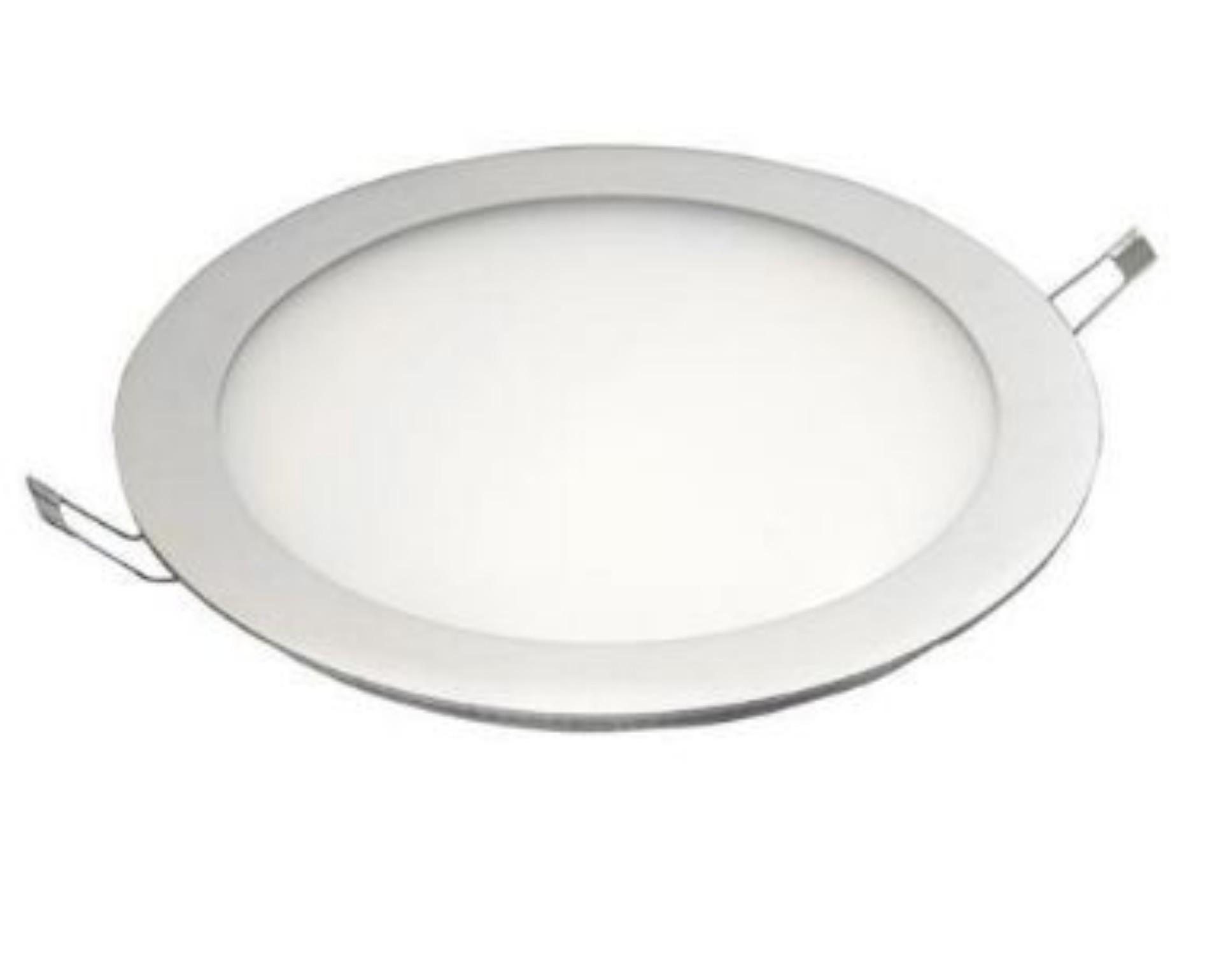
The diffuser in LED panels mirrors the soft natural light from the sun, removes harsh shadows, and provides larger expanses of uninterrupted illumination. The lifespan of an LED light could be 1,00,000 hours, which works to about eight hours of operation every day for the next 27 years. Additionally, LED lights are mercury-free, which makes them quite an environment-friendly product.
Important Specifications to Consider while Buying LED Panel Lights
'Lumens' (brightness)
'Lumens' (brightness) measures the visible light emitted from a light source. Technically, Lumens is an SI (International System of Units) unit. The Lumens-rating of an LED light highlights how much light is being emitted.
Wattage
Wattage (power consumption) measures how much energy is consumed by a light source. The energy efficiency of LED panel lights is measured through a ratio, Lumens per Watt (lm/w). The highest luminous efficiency of a top-performance LED panel light is 220 lm/w. High-performance LEDs have 150-200 lm/w.
Illuminance
Lux (lx) is the SI unit, which is used to measure how much light falls on a particular surface. It is commonly referred to as illuminance.
Unified Glare Rating (UGR)
Excessive brightness of a light source is referred to as glare, which is measured through Unified Glare Rating (UGR). The luminance of the light source divided by the background luminance of a space or room proves the UGR value. The UGR ranges between 5-40. A 20 UGR of glare is regarded as good in LED panel lights.
Colour temperature
Correlated colour temperature (CCT) highlights how warm (yellow) or cool (blue) the light emitted from a particular source is. Kelvin (K) refers to the temperature scale of an LED ranging from 1,000 K to 10,000 K. According to the temperature, the light of an LED is categorised as natural white, warm white, and cool white. Most residential LED panel lighting applications are anywhere on the scale between 2,000K and 4,500K.
Colour Rendering Index (CRI)
The Colour Rendering Index (CRI) is a measure that relates to how accurately a source of light reveals the colours of an object (or people) realistically or naturally. A CRI of 80 or more is considered good, while 90 or above is regarded as excellent.
Things to Keep in Mind When you choose LED Panel Lights
Consider the Available Space and Dimensions of LED panel lights
The common LED light panel sizes include -
- Square LED panels (300 x 300 mm, 600 x 600 mm)
- Rectangle LED panels (1,200 x 300 mm, 1200 x 600 mm, 600 x 300 mm) and
- Round LED panels (diameter of 120 mm, 200 mm and 300 mm).
So, accordingly, as per the room size, you can buy LED panel lights online, too.
Opt for the right colour temperature for space
A thing to note is the higher the number of Kelvin (K), the brighter white your lights will appear. So, based on the purpose of the space, select the LED panel lights accordingly. For instance, in spaces where heavy tasks are performed, choose a natural (4,000 K) to cool white (6,000 K) light, while in areas that are meant to relax, opt for warm white (3,000 K) light.
Select Dimmable LED Panel Lights
When you buy LED panel lights, go for one that offers various levels of brightness, which could be five or 10 per cent and 100 per cent. These LED panels can be bought online as well.
Buy LED Panel Light That's BIS Certified
Most LED panel lights are available with the necessary safety certifications to ensure safe use. Buy LED panel lights that have the BIS certification. This way, you can remain assured of the quality and reliability of the product.
Methods for Installation of LED panel lights
The three standard installation methods include suspended, surface-mounted and recessed LED panels.
Suspended LED Panel lights
Suspended LED panels are hung using wires, rods or cables beneath a mounting body.
Surface-mounted LED Panel lights
Surface-mounted LED panels can be readily fixed on the ceiling using screws and clips.
Recessed LED Panel lights
Recessed LED panels are mounted flush with the ceiling.
Buy LED Panel lights online at best price on L&T-SuFin
Want to know more? Log on to L&T-SuFin to check out various quality LED lighting products and read related articles.
LED Panel Lights vs Traditional Lighting: What you must know
Traditional lighting solutions introduced a revolution of sorts with the invention of the first electric bulb in 1879. Today, however, most of these lighting solutions are losing the battle to much superior light-emitting diodes or LED Panel Lights. And there are several reasons for it. The former has gained an edge in the LED Panel Lights vs traditional lights debate.
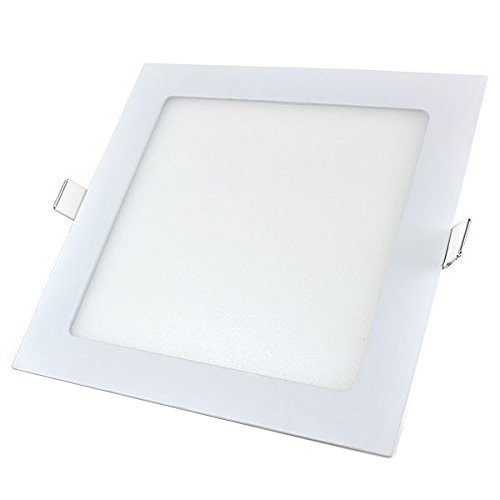
Why LED Panel Lights are better than Traditional Lights:
Environment friendly
One of the critical concerns is related to the environment. Traditional lighting solutions such as fluorescent or mercury vapor lights are known to contain mercury inside the bulb.
LED Panel lights are safe to dispose
At the end of the useful lifespan of such products, one must handle them in a specific way. Otherwise, they can pose a severe threat to the environment.
LED Panel lights generate less heat
Traditional lighting solutions such as incandescent bulbs tend to release almost 90% of their energy on heat. Only about 10% is utilized for producing light. This is one of the primary causes of the spike in energy consumption.
Less scattering of light
Also, you must've noticed that most traditional lighting solutions scatter light in all directions. Mostly 360-degree around the source of light. To illuminate a specific space, you would require something to deflect or channelize the source of light. This means your traditional lighting solutions are less efficient and tend to push up the energy utility cost.
Making the Difference: Energy Efficiency and Lifespan of LED Panel Lights
LED Panel lights have high energy efficiency
Regarding energy efficiency, LED lighting solutions tend to win hands down. LED lighting consumes 25-80% less direct power than traditional lighting solutions such as incandescent or fluorescent bulbs.
A typical incandescent bulb produces light by way of heating a tungsten filament. This way, the temperature of a light bulb could reach as high as 2,500 degrees Celsius.
Similarly, a fluorescent lighting solution operates through the ionisation of mercury vapour in a sealed glass tube. Turning on the light causes electrons in the gaseous mercury atoms to release light photons as ultraviolet (UV) wavelength frequencies. The UV light is then suitably converted to visible white light using filtration via the phosphor powder coating inside the glass tube.
In short, all this tends to influence the efficiency of a product as more energy is consumed. LEDs are solid-state lighting (SSL) solution which uses a semiconductor to convert electricity into light.
All LED lighting solutions require direct current (DC) power, which is needed to be transferred from the alternating power (AC) power sources through a transformer. A few larger LED lights are also available with built-in transformers or drivers. The overall electricity consumption is reduced dramatically, considering the maximum electrical energy is diverted towards light generation.
A traditional incandescent bulb will last anywhere from 800-1,500 hours on average. The average LED bulb can last up to 50,000-1,00,000 hours or even more, 2-4 times more than most fluorescent, metal halide, or sodium vapour lights. It is more than 40 times longer than the typical incandescent bulb. Your LED bulb's lifespan could be between 4-6 years.
Key Takeaways: LED Panel Lights vs Traditional Lighting Solutions
Traditional lighting solutions such as incandescent bulbs offer a light output anywhere from 12-24 Lumens per Watt. LED light solutions provide a light output of about 120-135 Lumens per watt.
The colour rendering index (CRI) is a way to measure a light's ability to reproduce the colours of an object it illuminates with utmost accuracy. It is rated between 0-100. A light source with a value of more than 90 is considered excellent. Traditional light solutions, such as incandescent bulbs, have a value of 80, which is poor. LED bulbs, on the other hand, rate 90-plus on the index
Traditional lighting solutions tend to falter in cold weather. A dip in temperature leads to lighting sources, such as fluorescent lamps, requiring a higher voltage to switch on. Also, the intensity of light reduces dramatically. LED lights tend to perform generally with an efficiency of about 5% in cold temperatures
When you switch on traditional lighting solutions, they tend to take a few seconds to illuminate. Also, turning them on or off frequently can reduce their lifespan. LED lightings are innovative and can switch on or off instantly without affecting lifespan.
These are some reasons why LED lights take an edge by a considerable margin over traditional lighting solutions.
Buy LED Panel Lights online at L&T-SuFin
Log on to L&T-SuFin to check out a plethora of quality LED lighting products. Also, you can read related articles curated to provide relevant insights into the subjects like how to choose an LED light, types of LED lights available and so on.
Must know Benefits of LED Bulbs for home or business
Light-emitting diodes or LEDs have emerged as the go-to choice for a sustainable lighting solution. LED light advantages make them useful in residential and commercial buildings.
Why is there a need to choose LED lighting in a residential or commercial building in the first place? Generally, the white incandescent light emitting from an LED bulb tends to create a soothing atmosphere. This is essential for elevating the mood and creating an ambience at home or in an office setup.
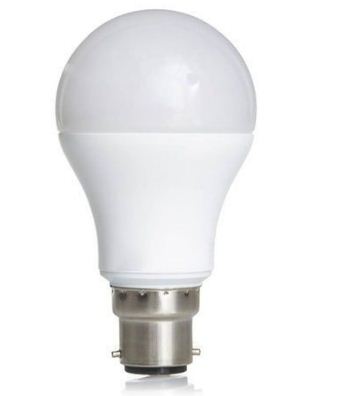
LED lightings provide a uniform spread of illumination across a particular area. This remains useful while performing a task without strain on general vision and orientation. This tends to influence physical well-being as well as boost productivity levels directly.
So, either preparing meals in the kitchen or curling up with a bestseller in the living room, LED light advantages are known to create ambient light in a space.
Similarly, in an office environment, LED lighting aid in limiting screen glare, considering they are highly unidirectional. This boosts efficiency among office workers while helping them work effectively.
LED Bulb Advantages for home or business: Far and Beyond
The Sustainability Factor
This remains one of the biggest draws in switching to LED lighting. If you compare a single 60 Watt incandescent bulb and a 10 Watt LED bulb, which are 700 Lumens and operated for eight hours per day, then the amount of carbon dioxide (CO2) they are likely to generate per year is 172.68 kg and 28.80 kg, respectively. Besides lasting longer, LED bulbs are mercury-free and can be recycled easily.
Efficiency in Energy-Saving
Among the key advantages of LED light bulbs, savings on energy are another critical factor. LED lightings emit electromagnetic energy, which helps in energy savings. Typically, an incandescent bulb is known to release 90% of energy as heat radiation, while an LED light bulb beam emits no heat. You end up saving on power bills in the long run.
Ease of Replacement
A typical LED bulb can last longer than most fluorescents or compact fluorescent lamps (CFLs). For instance, the lifespan of LED lighting exceeds 13 times that of an incandescent bulb and three times more when compared to CFLs. The frequency of replacing an LED bulb remains comparatively less. This LED light advantage helps in terms of saving cost as well as time.
Wide Choice in Forms, Shapes, Sizes and Colours
LED lightings come in various shapes. This can be more than what a traditional light bulb shape has to offer. LED lighting could range from elongated incandescent shapes to reflector-style. Thus, providing unique design opportunities depending on the available space. It also helps to determine the orientation of the light, which could be focused, spread, or at a certain angle.
The various sizes provide LED light advantages in terms of brightness and overall power consumption.
Similarly, one of the advantages of LED bulbs is in terms of colours and colour-changing bulbs. These are available in warm white, natural white, or cool white. This offers you the benefits of better lighting quality, control and customisation.
Choose a Quality Product, Draw Maximum LED Bulb Advantages
It would be best if you were well-versed with specific terminologies and their unit measurements before zeroing in on an ideal LED lighting solution. For instance, the total light coming out is measured in Lumens, light intensity at a space is measured in Lux, correlated colour temperature is measured in Kevins, the trueness of colour is measured in 0-100, and the total power consumed is measured in Watt.
Also, look for the Ingress Protection (IP) Rating, followed by a two-digit number. The IP Rating highlights the degree of protection. The following numbers underscore the protection against solid and water ingress.
Furthermore, you must look for the Bureau of Indian Standards (BIS) certificate mark on the product or packaging. This way, you can be assured of a quality product.
Buy Branded and high quality LED Bulbs online at L&T-SuFin
Log on to L&T-SuFin to check out the most comprehensive range of quality LED lighting products and learn more about them.
Top Advantages of LED Bulbs: Energy Efficiency and Long Lifespan
LED bulbs have become popular due to their energy efficiency and long lifespan. If you are searching for a durable, cost-effective lighting solution for your home or business, LED bulbs are an excellent choice. These are great energy savers and long-lasting. Besides these, LEDs also do not contain harmful chemicals, such as mercury, that can be found in other bulbs.
This article will discuss the top advantages of LED bulbs, including energy efficiency and long lifespan. We will also explain how these benefits can help you save costs and reduce environmental impact.
So, let's dive into the top advantages of LED bulbs and see how they can benefit you.
Advantages of LED Bulbs over traditional light bulbs
Since childhood, we have seen traditional bulbs at home, which need to be replaced every year or two. These standard bulbs are cheap to buy but expensive in the long run due to their high-power consumption and shorter lifespan. On the other hand, LED bulbs, the output of the latest technology, are expensive but last much longer and consume less energy than traditional bulbs.
Let's take a closer look at why LED bulbs are a better investment than traditional bulbs.
Long lifespan is the biggest advantage of using LED Bulbs
LED bulbs last up to 20 times longer than traditional lighting options, so you don't have to replace them frequently. These are easier to source from reliable online stores like L&T-SuFin, and various options in the market that can fit your requirements.
Finally, LED bulbs can last up to 50,000 hours (in comparison, incandescent bulbs only last about 900-1000 hours, and CFL lasts 10,000 hours). So, you can save money over the long term since you won't have to replace them frequently.
Low energy consumption
Besides more extended life, LED bulbs are becoming popular due to their energy efficiency. Compared to traditional lighting solutions, LED bulbs use up to 90% less energy, making them an excellent choice for those looking to save money on their electricity bills.
Environment friendly
In addition to being energy efficient and having a long lifespan, LED bulbs offer other benefits, such as being more environmentally friendly than conventional light bulbs.
It contains no toxic materials, so they don't release harmful chemicals into the environment when used. Furthermore, it produces very little heat, meaning they don't waste energy by heating the room they're in.
Flexibility
LED bulbs also offer more flexibility than traditional light bulbs. They arrive in various shapes and sizes, so you can easily find one that fits your needs. Additionally, they are available in different colours and brightness levels, so you can customize your lighting to suit your preferences.
Releases less heat
LED bulbs are much safer than traditional ones because they don't get as hot when switched on. It makes them an excellent choice for homes with children or pets who might be tempted to touch a hot bulb. It also helps to maintain a pleasant temperature in your rooms.
Dimming capability
Dimming capability is one of the main reasons people buy LED bulbs. With LED bulbs, you can dim them to the desired brightness, making them perfect for creating the right mood in any space—a romantic dinner or a relaxing bath! Whereas traditional bulbs don't have the demining capability at all.
Better performance in cold conditions
LEDs can perform better in low temperatures as compared to the traditional lighting solution, making them ideal for cold conditions like cold storage warehouses and industrial freezers. They can be used throughout the winter without any issue, even in freezing temperatures.
Extraordinary luminosity and intensity
LED bulbs are designed to emit highly high brightness and intensity. If you compare the traditional 40W CFL or incandescent bulb, they emit 450 and 2400 lumens, respectively. At the same time, an LED with the same wattage emits 4000 lumens, which means that LEDs can deliver far better output despite consuming the same energy.
These are a few of the many advantages of LED bulbs. If you're looking for an energy-efficient and long-lasting lighting solution for your business or home, LED bulbs are worth considering. With their high efficiency, durability and energy savings, it's easy to see why LED bulbs have become so popular in recent years.
Buy best LED Bulbs online from L&T-SuFin
LED bulbs are an excellent choice for your home or business, where you can save a significant amount of energy and cost. Apart from being energy efficient and durable, these products have several advantages. L&T-SuFin is a reliable online platform for purchasing LED bulbs. It provides a wide range of options for residential and businesses of all sizes. Get the best LED lighting solution as per your requirement hassle-free here!