
LED Panel Lights: The Ultimate Buying Guide
Light-emitting diode or LED panel lights often referred to as just panel lights have successfully introduced an energy-efficient, environment-friendly lighting solution. This is also the need of the hour. The ease of installation and versatility suitably complement the sleek design.
Without a doubt, LED panel lights have found suitable applications in our houses, offices, conference and seminar rooms, education and healthcare centers, supermarkets and malls, auditoriums, warehouses, and so on.
LED panels can be easily customized for use as they are available in various shapes and sizes.
Types of LED Panel Lights
LED panel light types include square LED panels, rectangle LED panels, round LED panels, edge-lit LED panels, back-lit LED panels, white light LED panels, and RGB color-changing LED panels.
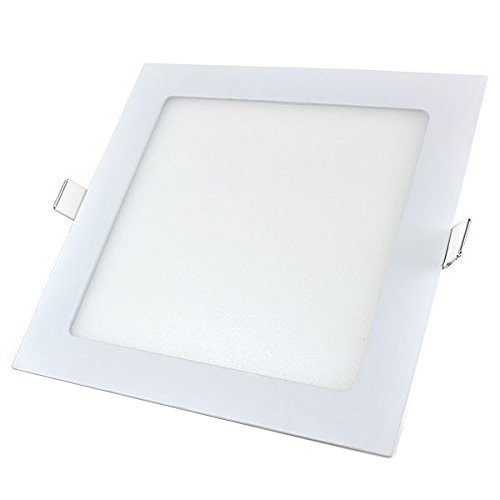
Square LED panel lights
These are available in sizes of 600 x 600 mm and 300 x 300 mm. Often deploy LED panels in spaces with recessed ceilings, such as hospitals or schools. You may deploy LED panel lights in spaces that typically have recessed ceilings such as hospitals or schools.
Rectangle LED panel lights
Available in various sizes of 600 x 300 mm, 1,200 x 600 mm, and 1,200 x 300 mm. Such LED panel lights find application in large offices, malls, warehouses, and similar open spaces.
Round LED panel lights
These are available in panel diameter sizes of 120 mm, 200 mm, and 300 mm. You may deploy these LED panel lights in small offices, houses, and washrooms.
Edge-lit LED panel lights
An edge-lit LED panel, also referred to as side-lit panels, comprises a row of LEDs that are attached to the frame or circumference of the panel, shining horizontally into a light-guide plate (LGP). This LGP then directs the light downwards with the aid of a diffuser onto the space down below. You may use these LED Panel lights for retail displays, lighted shelves, tables, and more.
Back-lit LED panel lights
Also referred to as direct-lit panels, it is composed of an assortment of LEDs that are fitted onto a horizontal plate shining down vertically via a diffuser into the space that is to be illuminated. You may use such LED panel lights for floor lights, counter lights, and so on.
White light LED panel lights
As they produce a general room illuminance, these types of LED panel lights are used in various areas of a typical home.
RGB color-changing LED panels
Apart from general lighting, these extend the scope for a creative lighting solution that can be regulated through remote control.Such LED panel lights can be fixed on ceilings or mounted on a wall to extend a colorful lighting experience.
Temperature and brightness - adjustable LED panel lights
While offering a full spectrum of white light, these LED panel lights can be suitably adjusted from warm to cool lighting style through remote control. You may dim up or down to adjust the brightness preference in a space.
Various components of LED Panel Lights
An LED panel light typically comprises various layers of components that tend to operate in unison to introduce a soothing illuminance.
Frame of LED Panel Light
Being thin and lightweight, it is manufactured from aluminum. It ensures the stoppage of light escaping from the edges of the panel.
LED chips
This is a core component that is responsible for emitting light.
Light-guide plate
This directs light from the LEDs in the direction of the diffuser.
Diffuser
This is responsible for distributing the light evenly outward and also helps in the antiglare properties of an LED panel light.
Reflector plate
This component ensures that all light is reflected into the light-guide plate.
Heat sink
Although LEDs may not emit as much heat as incandescent bulbs, they still tend to release heat, which could influence performance. The conductive metal heat sink directs heat away, keeping the temperature of LED panel lights at safe levels.
Back cover
This, too, is made of aluminum. As the name suggests, it protects the components and extends a sleek look to the LED panel light.
How to Install LED Panel Lights?
LED panel lights can generally be installed by choosing three options: surface-mounted, recessed, or suspended options. These options can be chosen based on utility purposes.
Surface mounted led panel lights
Also called surface mounts, they are installed in spaces that may not have a suspended ceiling as well as recessing is not possible. Surface-mounted LED panel lights are quite convenient to install. Using various fittings as well as brackets, these can be affixed to any flat surface, including a wall or a ceiling. 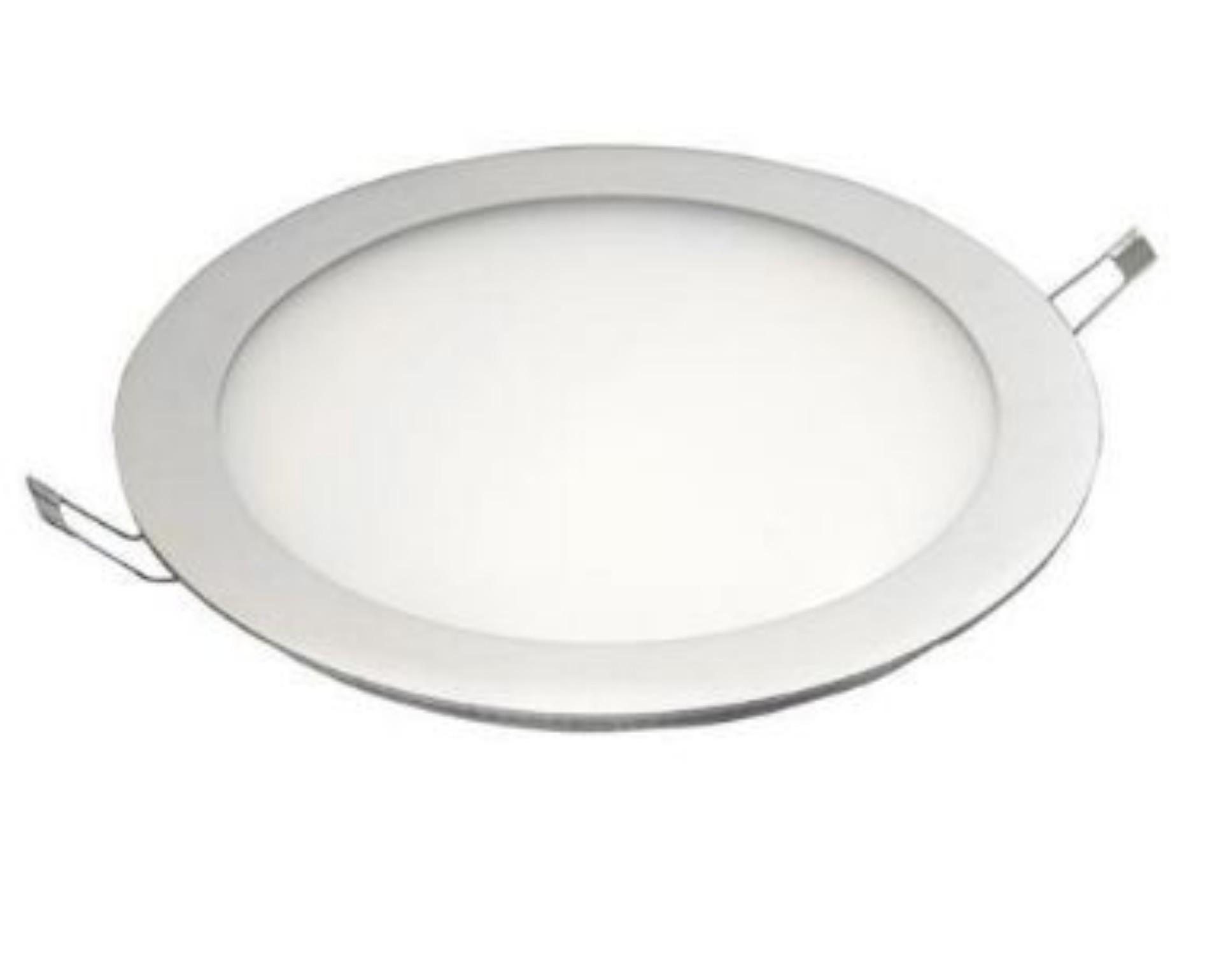
Recessed panel lights
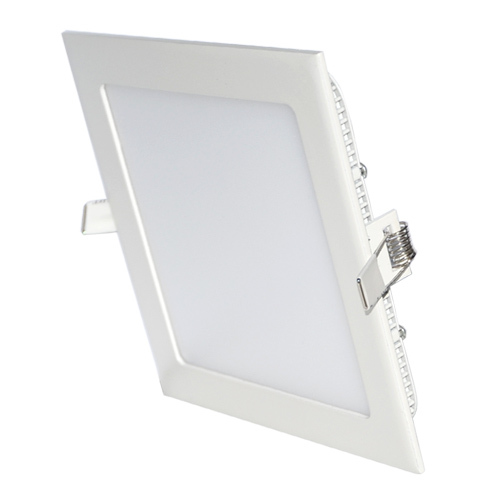
Recessed panel lights can be suspended from the ceiling, and extend a quite wide beam angle, which provides a brilliant spread of light.
Buy LED Panel Lights from top brands at best price on L&T-SuFin
To scour through some quality LED lighting products, you can also log on to the site of L&T-SuFin. Check out a plethora of quality LED lighting products on L&T-SuFin LED lighting section. Also, you can read related articles, which have been curated to provide relevant insights into the related subjects. Eg. how to choose an LED light, types of LED lights available, and so on.

LED Bulbs vs CFL Bulbs & Filament Bulbs: A Comparison of Benefits and Drawbacks
Whether it is your home or business, lighting plays an important role everywhere, and the type of bulbs you use makes a huge difference. LED bulbs are becoming popular options due to their energy efficiency and long lifespan.
But how do LED bulbs compare to CFL bulbs and Filament bulbs?
Here's a comprehensive look at the benefits and drawbacks of LED and CFL bulbs/Filament bulbs, so you can choose what's best for your needs. Both types of bulbs can be classified and compared based on their energy efficiency, cost, lifespan, brightness, and other important parameters.
What are LED bulbs?
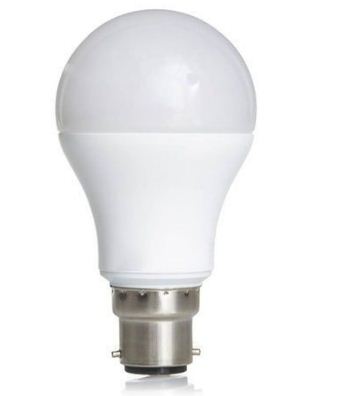
Before discussing the comparison between LED bulbs vs CFL bulbs/Filament bulbs, it is important to know what LED bulbs are. LED bulbs are energy-efficient lighting that has become increasingly popular in recent years. Technically, you cannot describe LEDs as bulbs. These are “Light emitting diodes” (LED) where tiny semiconductors are placed and wrapped in plastic cover. The two terminals of the semiconductor allow the conventional one-way flow of current, which ultimately eliminates light. There are no wire filaments in LEDs like in conventional bulbs.
Types of Light Bulbs
Incandescent, Light Emitting Diode (LED), Compact Fluorescent, and Halogen bulbs are some of the options available in the market.
- Traditional incandescent bulbs have been in the market for decades, although they are becoming obsolete because of their poor energy efficiency.
- LED bulbs last significantly longer and consume much lesser energy.
- Even though they last longer and use less energy, CFL bulbs are considered hazardous due to the presence of mercury.
- When compared to incandescent bulbs, halogen ones look very similar, yet they use significantly less energy.
LED Bulb vs CFL Bulb & Incandescent Bulb - What's best for you?
With many advantages over traditional CFL and incandescent bulbs, LED bulbs have become popular in recent years. Apart from being energy-efficient, they also come with various features.
Long Lifespan
LED bulbs can last up to 50 times longer than incandescent bulbs. You don't need to replace them as often, which means more cost-effective in the long run. Additionally, unlike standard lighting, there is no risk of flickering or malfunctioning once fitted properly.
High Energy Efficiency
LED bulbs consume up to 90% less energy than filament bulbs, which saves on your electricity bills significantly.
Cheaper in the long run
Though LEDs are more expensive than traditional incandescent bulbs, the long-term savings from reduced energy costs and fewer replacements make them a worthwhile investment.
Brighter Light
LED bulbs produce brighter light. This makes them more suitable for task lighting and other applications where bright, clear light is needed. Also, an 10 W or 11 W LED bulb will be as bright as a 50 W incandescent bulb. This means lesser bulbs would be required to illuminate a room or space as compared to the filament bulbs.
Less heat production
Compared to incandescent bulbs, LED bulbs produce less heat, which makes them safer in applications that may involve hot surfaces or liquids (like kitchens and bathrooms).
Environment-friendly
LED light bulbs are an eco-friendly alternative to traditional lighting bulbs as they don’t have any hazardous materials.
Drawbacks of LED bulbs
Although there are many benefits, LED bulbs do have some limitations.
Get overheated
Led bulbs generally overheat under sun exposure or in other heated areas. It needs shade or protection from external heat. They usually work under normal circumstances but fail much faster in extreme temperatures than filament bulbs.
Colour change
Overheating due to sun exposure or UV radiation also causes LED bulbs to change colour.
Area of illumination
LED bulbs are more directional than illuminating in all areas. It spreads lights to all the areas equally rather than a particular spot, whereas a filament bulb can help you light up a particular spot.
Buy best LED Bulbs online at L&T-SuFin
Although a more expensive option than incandescent, LED bulbs have proven to be more energy-efficient and cost-effective in the long run. So much so that the spike in demand for LED bulbs in the last few years, has resulted in the prices falling too. One would hardly find any urban homes with incandescent bulbs or CFL bulbs now, and one can see a similar change in rural homes too. For further details and options on types of LED lights and fixtures, you can browse through L&T-SuFin website which offers all solutions to your lighting needs.
Wholesale Purchase of LED Bulbs Can Help You Save Money in 2023
Are you looking for methods to save money on industrial and construction products, like buying LED bulbs in bulk? Wholesale purchase of LED bulbs can be a great way to save money and get other benefits as well. Whether you're looking for bulk LED light bulbs or any other industrial tools, this blog post will help you with the information you need to make an informed decision.
This post will explore the different types of LED bulbs available, how they are used most effectively and the cost savings associated with buying in bulk. So, read on to find out more about how to buy LED bulbs at wholesale prices & how they can help you save money.
Benefits of Ordering LED Bulbs from Wholesale Suppliers
Wholesale purchase of LED bulbs may be the answer if you're a small business owner or MSME in India looking to save money on industrial and construction products. Purchasing bulk LED light bulbs are not only cost-effective but also offers a range of benefits that make such purchase ideal for businesses of all sizes.
Reduce unit cost
As a business owner, you can reduce your unit cost by purchasing in bulk from wholesale suppliers. It can help you reduce per-unit costs by increasing your buying power and getting volume discounts from the wholesaler. Additionally, this process eliminates the hassle and indirect cost of frequent ordering.
Generally, manufacturers sell their products in bulk to wholesalers with 10-15% profits, who then sell the products to retailers adding their profit margin. At the same time, retailers sell the same product to consumers at a much higher price. So, by buying from wholesalers directly, you can get the same quality products at a much lower price. It can reduce your purchasing costs by 20%-25% per unit.
Save time and effort
Ordering in bulk also saves you time and effort. To run a successful business, you need to channelise your efforts into value-added activities and avoid repetitive tasks. By ordering in bulk from a wholesale supplier, you don't need to place individual orders, chase the vendor for every single item or pay for every individual invoice. This ultimately saves you a lot of time and effort for your team.
Variety of product mix
As a consumer, you may need a variety of LED bulbs as per your requirement. It is also possible that one manufacturer does not have all the designs or features that you want. In such cases, purchasing bulk LED light bulbs from the wholesale market is more beneficial for you.
Wholesalers usually stock different products from different manufacturers. Therefore, you can get all your required LED lights of different designs and features under the same roof, reducing your purchasing and after-sales hassle.
Purchase high-quality LED bulbs.
LED bulb wholesale purchases allow you to buy LED bulbs at optimum cost prices without compromising on quality or performance. You will get the high-quality LED bulbs you need for your business without paying high retail prices.
Save shipping costs.
Logistics is always an excess cost component for any business. When you opt for purchasing bulk LED light bulbs from a wholesale supplier, you can save a significant amount on shipping costs. Generally, the shipping charge for low volume is notably higher than that for a higher volume.
During bulk buying, you can always negotiate on the delivery terms to reduce the freight cost or even ask to make it free. It will enable you to save even more money on your purchases.
Convenience
The manufacturing units are usually located only in a few places. They deliver their products to the end users through channel partners like distribution centers, wholesalers and retailers. Therefore, wholesalers’ networks are everywhere, even online. Wholesalers are the best option if you want to make a bulk purchase of a quality product at the best price. The wholesale process is easy and less time-consuming because whole sellers have a huge stock of different product mixes at their end.
Where to do wholesale purchase of LED bulbs?
Wholesalers provide all kinds of LED lights like LED tubes, panel lights, LED strip lights, etc. So, if you want to purchase high-quality LED light bulbs in bulk at an affordable price, you should definitely check online from L&T SuFin.
L&T SuFin has a wide range of LED lights with different designs and brands. You can easily check the specifications, features and other details from the website and select the most suitable option for you. Apart from LED lights, you can also find other industrial and construction products like Personal Protective Equipment (PPE), power tools, hand tools, etc. So, you can get all industrial and engineering products under one roof and save valuable time and money.
Buy Best LED bulbs at wholesale prices from L&T-SuFin
Nowadays, you can find LED bulbs everywhere in the market, but if you are looking for bulk orders of the best quality and price, wholesalers are the best option for you. They not only can provide bulk quantities of LED bulbs in a shorter period but also at the best price.
Head to L&T SuFin to get the best lights under one roof. It is providing thousands of high-quality led lights from top brands at the best prices. Read more such blogs on L&T-SuFin and make your life easier.
What are Grinding Wheels? Basics about Grinding Wheels Uses & Applications
Tight tolerance and a high surface finish are always desirable in manufacturing, and a grinding wheel is just the right tool to achieve both. But what are grinding wheels? How does it work, and what are the different types of grinding discs? This article will provide a detailed guide on grinding wheels, right from their construction to their intended use.
What are Grinding Wheels? Usage and Application
Grinding wheels are abrasive tools that are used to remove a fine layer of material from the surface of the workpiece. This is done to achieve the desired dimensional tolerance and surface finish.
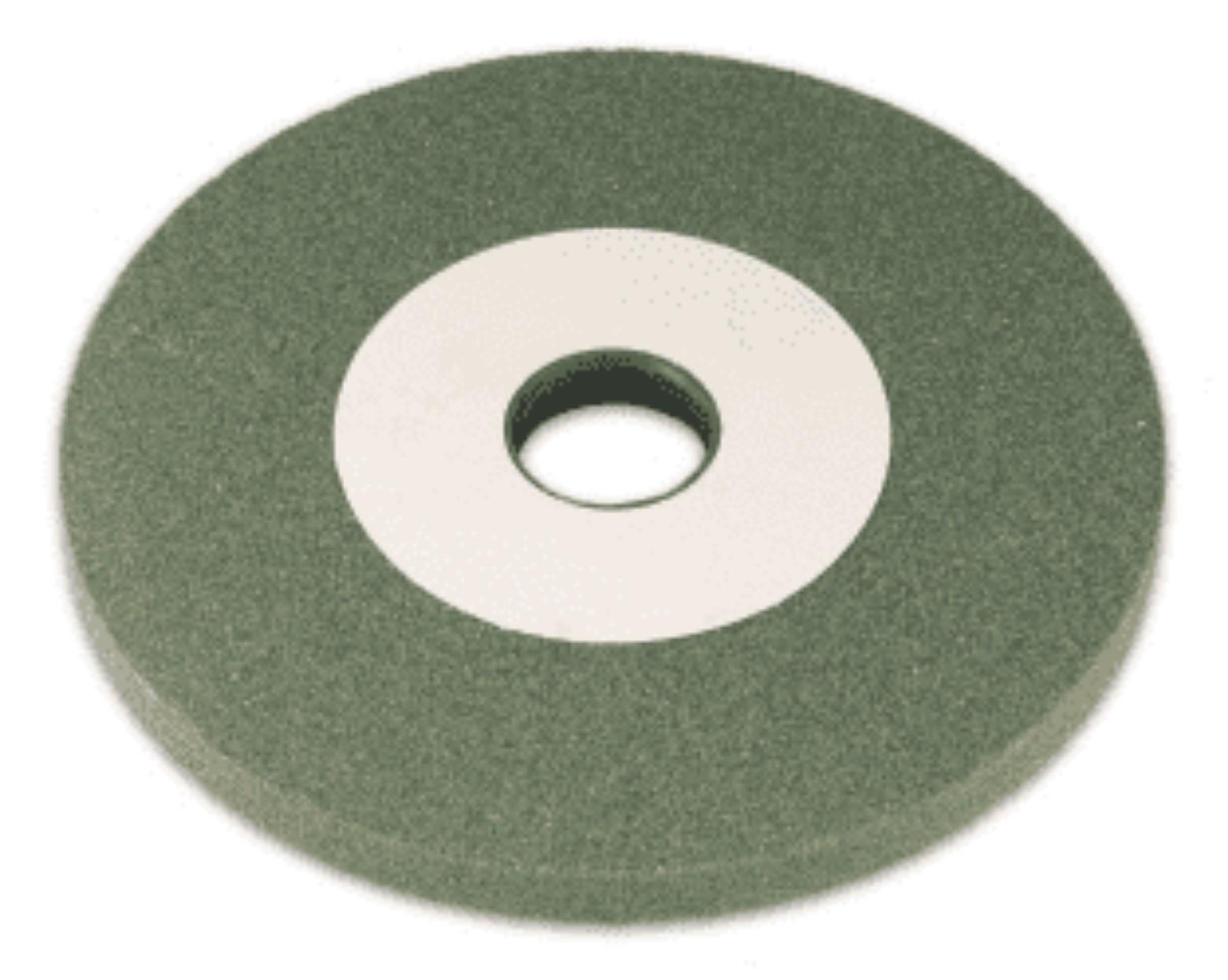
Using a Grinding Wheel
At high speed, rotate the grinding wheel so it comes into contact with the workpiece and removes the material. This high-speed contact can generate high frictional heat (especially when grinding tough metals like stainless steel). This makes it important to use cutting fluid to prevent overheating of the tool and the workpiece.
When using a grinding wheel, always maintain to-and-fro movement between the grinding wheel and the surface of the workpiece. This is required to ensure a smooth and uniform surface finish. Furthermore, when a high volume of material is to be removed, it is advised to gradually grind the workpiece in multiple passes. This is because grinding at the same spot for a prolonged time can result in overheating. Thus damaging the workpiece and the tool.
Applications of Abrasive Wheels
Common usage of grinding wheels is to grind the workpiece and achieve the desired dimensional accuracy or improve its surface finish. Therefore, it is an important operation that is performed on almost every workpiece before finalizing the machining process.
Common use of grinding is to remove unwanted material or smoothen sharp edges in metalworking industries, and to finish and achieve a smooth surface on jewelry and other intricate works.
Types of Grinding Wheels
Grinding wheels can be classified based on the abrasive and bond type.
Generally, resinoid and rubber are the most commonly used bond types and are used for most general-purpose applications. The vitrified bond provides the strongest adhesion, preventing the abrasive particles from falling off during intense grinding applications.
Similarly, the harder the abrasive, the better the material removal ability of the grinding wheel. Based on the abrasive material, there are four types of grinding wheels:
Aluminium Oxide Abrasives
Aluminium oxide is the most commonly used abrasive on grinding wheels and is best suited for grinding ferrous metals and steel workpieces. These abrasive wheels are colour-coded as grey, white, pink, brown, etc.
Grey and brown are the most widely used wheels for general-purpose grinding applications, as they provide good durability at a low cost. These wheels are ideal for machining low-carbon steel.
Pink and white grinding discs are comparatively harder and are used for grinding tougher grades of steel (such as stainless steel) that generate high frictional heat during the grinding operation.
Apart from these, aluminium oxide grinding wheels are also available in ruby red colour. These wheels are extremely tough and are used for machining tool steel.
Silicon Carbide Abrasives
Silicon carbide abrasives are ideal for grinding non-ferrous metals like aluminium, copper, etc., and non-metals like marble, granite, etc.
These grinding wheels are available in black and green, with green wheels having better sharpness than black wheels. Silicon carbide wheels are also used for grinding stainless steel when a high-quality surface finish is required.
Ceramic Abrasives
Ceramic abrasives are relatively new and are not readily available on the market. These abrasives tend to self-sharpen by breaking the dull grains, attaining a renewed sharp cutting edge.
These types of grinding wheels are ideal for applications where extensive material removal is required while maintaining a long tool life. However, ceramic grinding wheels are comparatively expensive and cost around three times more than aluminium oxide abrasive wheels.
Diamond Abrasives
Diamond abrasives are ideal for grinding extremely tough materials like concrete, asphalt, stones, etc. These grinding discs can be used on almost any material, but their high-cost limits them from being used for general-purpose applications.
Specification of Grinding Wheels
Each grinding wheel has a specific code to identify its specifications. This code provides information about the five basic elements: Abrasive type, grain size, grade, structure, and bond type.
Let us consider an example of a grinding wheel marked as A24S7B. Here, the code can be divided into 5 elements, such as A-24-S-7-B, where each element provides information about the type of abrasive, grain size, grade, structure, and bond type, respectively.
The tables below provide details about the commonly used codes for the specification of grinding wheels:

Different types of abrasives provide different types of material removal capabilities. Similarly, the type of bond determines the ability of the grinding wheel to retain the abrasive particles under the action of the cutting force.
Apart from that, the grain size determines the material removal rate and the surface finish of the final product. The higher the grain size, the lower the material removal rate and the smoother the surface finish.
Buy Grinding Wheels at L&T-SuFin
The type of grinding wheel to be used is based on your application requirements and the type of machine you use. Therefore, when buying a grinding wheel, it is important to consider the abrasive type, bond, bore diameter, size, and thickness of the wheel.
L&T-SuFin provides a wide range of grinding wheels to choose from. They deliver the product all over India. Moreover, you can request a quote based on your order quantity.
5 Tips for Choosing The Right Grinding Wheel For Your Project
Almost every machining operation is followed by the grinding of the workpiece to achieve the required dimensional accuracy or to smoothen its surface. However, each application demands a different type of grinding wheel. This helps achieve the right amount of material removal with the desired surface finish and tool life.
This article will guide you to choose the right grinding wheel for your application based on the type of material, abrasive, bond type, grit size, and grade of the grinding wheel.
How to Choose the Right Grinding Wheel for Your Project?
The selection of the right grinding wheel is based on various factors, and it is important to consider each factor based on your application.
Type of Material Being Ground
| Type of Material | Best Suited Abrasive |
| Ferrous Metals | Aluminum Oxide |
| Non-ferrous Metals | Silicon Carbide |
| Titanium, Tool steel, etc. | Ceramic |
| Concrete, Asphalt, Stone, etc. | Diamond |
Every material responds differently to the grinding operation. While some materials are easy to grind, others pose several challenges during the operation. As a result, it is important to select the right grinding wheel for your project.
Ferrous materials generally use aluminium oxide grinding wheels. On the other hand, silicon carbide wheels are ideal for non-ferrous metals like copper, and some non-metals.
Tough materials that are difficult to grind with standard abrasives usually require the use of ceramic wheels. Diamond abrasives are best for grinding non-metals like concrete, asphalt, and stones.
Amount of Material to be Removed by the Grinding Wheels.
The grain size of the abrasive primarily determines the amount of material removed during a grinding operation. The coarser the grain, the higher the material removal rate.
However, a high material removal rate leads to a poor surface finish. As a result, a fine-grain abrasive is recommended for finishing operations where a small amount of material is removed to achieve a high surface finish.
Every grinding operation involves using a coarse-grain abrasive to remove material and achieve an even surface. Achieving the required surface finish usually requires a fine-grain abrasive grinding.
Removing a large amount of material requires high grinding pressure. This grinding pressure can dull the abrasives. It can also generate frictional heat. As a result, it is advised to use a soft bond grinding wheel. This allows the dull grains to fall off, preventing the rubbing action and reducing frictional heat.
Therefore, a soft bond grinding wheel with coarse abrasives is recommended for grinding hard materials. A hard-grade wheel is preferred for grinding soft materials.
The Surface Finish Required
The surface finish of the final product depends on the grit number of the grinding wheel. Every grinding wheel has a grit number. This provides information about the density of abrasives on the wheel.
A fine-grit abrasive is suitable for operations where a good surface finish is desirable over a high material removal rate. Furthermore, fine-grit wheels are also recommended for applications where the area of contact between the grinding wheel and the workpiece is very small.
This is because a small area of contact exerts greater force per unit area. It can rip the abrasives off the wheel. A densely packed fine grit abrasive provides comparatively more points of contact to distribute the load. It prevents the abrasives from falling off.
Speed of The Grinding Wheel
The speed of the grinding wheel determines the type of bond suitable for your application. The higher the wheel speed, the higher the cutting force. Therefore, preventing the abrasives from falling off requires a durable bond.
Generally, the vitrified bond is suitable when the wheel speed is below 6,500 SFM (surface feet per minute). Organic bonds are recommended for up to 8,500 SFM. For speeds over 8,500 SFM, use special bonds rated for high-speed grinding.
Apart from the type of bond, wheel speed also affects the grade hardness of the wheel. By the rule of thumb, a grinding wheel acts one grade harder or softer for every 1,000 SFM increase or decrease in the wheel speed, respectively.
Coolant Requirement
Different types of bonds act differently based on the use of coolant during the grinding operation. During dry grinding, vitrified bond wheels will be harder and generate more heat. This can result in overheating of the workpiece. On the other hand, Organic bond wheels tend to soften under heat. This increases tool wear.
In contrast, using a coolant during the grinding operation will reduce the frictional heat. The absence of frictional heat will soften the vitrified bond wheels and harden the organic bond wheels.
Grinding Wheel Maintenance
Grinding wheels are multipurpose tools that are used for various applications. Apart from selecting the right grinding wheel, it is also important to ensure proper maintenance of the wheel.
Grinding produces tiny chips that can fill the pores on the wheel, rendering the wheel dull. Therefore, it is important to dress the wheel regularly to retain its sharpness. The maintenance of the grinding wheels involves running the wheel and placing a dresser tool against its face.
The dresser tool removes the top layer of the grinding wheel, which removes the impurities and re-sharpens the grinding wheel.
Buy the right Grinding Wheel From L&T SuFin
With these tips in mind, you will be better prepared to choose the right grinding wheel for your project. You can make a more informed decision on which one to buy. L&T-SuFin is an excellent marketplace platform to buy grinding wheels. It provides detailed information about each grinding wheel, which makes it easy to select the right one for your application.
Guide to Surface Grinding Wheels in India
A Surface grinding is one of the most used grinding operations. Each material requires a specific type of grinding wheel. But what are the different types of surface Grinding Wheels available in India, and how much do they cost?
This article offers a comprehensive guide to surface Grinding Wheels in India. It provides info on the types and costs of Grinding Wheels available in India.
What is a Surface Grinding Wheel?
Surface grinding is a machining process. It uses a rotating abrasive wheel to remove a fine layer of material from the workpiece's surface. It produces a smooth surface free from any imperfections or impurities.
It is a precision machining operation. It helps to get the desired accuracy and surface finish in the final product. Almost every manufacturing industry in India widely implements it. Surface grinding is suitable for almost every material. But you must select the right Grinding Wheel for the right use.
Types of Surface Grinding Wheels Available in India
Different types of surface Grinding Wheels are available in the Indian market, and selecting the right grinding wheel for your use will help you achieve the desired result.
Aluminium Oxide Grinding Wheels
The Indian industry most commonly uses Aluminium oxide Grinding Wheels. These Grinding Wheels are suitable for machining various ferrous metals. It is a general-purpose grinding wheel that provides good grinding capability at a low cost.
Aluminium oxide Grinding Wheels commonly find their use in India's iron and steel industry. Apart from that, Surface Grinding Wheels are widely used in metalworking.
Silicon Carbide Grinding Wheels
The grinding of non-ferrous metals generally uses Silicon carbide wheels. Construction industry also uses it for grinding marble and granite workpieces.
If you are looking for a surface Grinding Wheel to grind or polish jewellery, a silicon carbide wheel is the way to go.
Special Abrasive Grinding Wheels
Special abrasives include ceramic Grinding Wheels and diamond abrasive Grinding Wheels. Ceramic Grinding Wheels have sharp abrasives that can grind almost any material. However, these wheels are comparatively expensive. They are used only when a high material removal rate is needed with a long tool life.
But, diamond abrasive wheels are used for surface-grinding tough materials. Both Grinding Wheels are costly and should only be used when needed.
Things to Look for When Buying a Grinding Wheel
Select the right abrasive type for your project.
Select the right size of the grinding wheel.
Ensure that the grinding wheel you buy fits your surface grinding machine.
Select the right thickness of the grinding wheel.
A thick wheel is suitable for grinding large workpieces, while a thin Grinding Wheel can reach intricate patterns on the workpiece.
Consider the bore diameter of the wheel.
Generally, the right bore diameter depends on the size of the shaft of your surface grinding machine.
Consider the bond type for the grinding wheel.
Generally, a resinoid bond is used for most uses but a vitrified bond is preferred for grinding tough materials, where high cutting forces are involved.
Finally, you should also consider the maker of the Grinding Wheel.
Although it does not sound important, a good brand ensures a high-quality Grinding Wheel that can last longer and provide an excellent surface finish. Brands such as Makita, Norton, and Bosh are preferable for industrial use, as they provide quality products.
Choose the right Grinding Wheel at L&T-SuFin
Selecting the right surface Grinding Wheel is crucial in achieving the desired grinding results while ensuring the minimum cost of the operation. However, it requires adequate knowledge about the use of each wheel and the best manufacturers available in India. You can check out L&T-SuFin website to purchase surface Grinding Wheels from leading manufacturers in India, such as Norton, Makita, Bosch, Stanley, etc. Let us know how you found this article on comprehensive guide to surface Grinding Wheels.