
GI Pipes and their Wide Range of Specifications and Gauges
These zinc-coated GI Pipes are highly resistant to the effects of water, wind, and road salts. Zinc's natural resistance to corrosion marks it with a long-term protection quality in the external environment. Therefore, they find application in building and structural materials and mechanical and general engineering purposes. Additionally, manufacturers use galvanized pipes to fabricate bus bodies and railway boogies and telecommunication departments utilize them as conduit pipes.
For galvanised iron pipes to last longer, zinc quality is crucial. If the pipe is dull and pale in appearance, it indicates that the zinc is pure and of the highest grade, making the GI Pipes extremely durable. An eddy current non-destructive testing device filters the incorrectly welded tubes. A dot matrix printer marks the pipes with the required standard bore, class, length, and zinc coating.
Specifications of GI Pipes
GI Pipes are available in many specifications based on wall thickness, nominal mass, outside diameter, and other lengths. They are classified as L, M, and H. They start from 15 and go on to 150mm with a variation for every 5 mm. The Light GI Pipes follow specific tolerance. At the same time, the medium and heavy follow a tolerance different from the light GI pipe. All three are based on variations from four to seven meters.
Consumers choose the pipes based on various specifications such as tolerance on outside diameter, dimensions, wall thickness, weight, and length of pipe. The chemical composition and mechanical properties must be considered along with measurements. There are several leading GI Pipes manufacturers in India; one must pick from various sizes and thicknesses. These are as per IS: 1239 and IS: 3589, ASTM standards and Inspection protocols as laid by the most reputed agency, the Bureau of Indian Standards (BIS), and following the standard licensing norms.
These pipes often find use in rural water supply schemes where the need to transport raw water and distribute processed water is lower. GI pipes of average grade are most commonly used. These pipes are affordable, lightweight, and simple to handle, carry, and join. They range in size from 15 to 150 mm.
Classification of GI Pipes based on Gauge
They are three categories, and they are classified based on Guage. Each type has its applications.
Class A GI Pipes
Class A is a light-gauged GI Pipe. They are relatively low-cost and less rigid than Class B and Class C. This class has a yellow colour identification mark.
Class B GI Pipes
Class B is a medium gauged GI Pipe. They are more rigid than Class A GI Pipes, and are consequently more expensive than Class A but less expensive than Class B. They have moderate resistance and are used during construction and in some small-scale industries. This class has a blue colour identification mark.
Class C GI Pipes
Class C is a heavy gauged GI Pipe. They are highly rigid and have a very long life compared to Class A and Class B. Class C are marked red for identification. These pipes are used in large-scale industries and industrial equipment.
Why do GI Pipes have a Good Market Demand?
Manufacturers produce galvanized pipes using modern hot strip mills and high-quality in-house raw materials. The manufacturers use high-frequency induction welding (HFIW) or cold process to manufacture GI pipes. Next, a hot-dip galvanising process is followed, wherein the tubes are pickled to remove the impurities.
To ensure that only the best quality GI pipes reach consumers, all zinc-coated pipes undergo testing and quality control processes. Manufacturers make the pipes to meet all customer requirements and comply with BIS norms.
As the GI Pipes undergo a lot of galvanisation under extreme temperatures, they have excellent resistance and rigidity. This makes GI Pipes the ideal choice for most industrialists and contractors.
Hot-dip galvanised uses an advanced process that pickles the tubes to eliminate impurities and builds excellent corrosion resistance. To ensure that only top-quality galvanized pipes reach end customers, all zinc-coated GI pipes undergo several testing and quality control procedures. The plant's advanced equipment and manufacturing infrastructure allow for high levels of customization to meet diverse customer requirements while still adhering to IS rules.
Hope this article was able to offer you a comprehensive outlook on specifications of GI Pipes.
Explore L&T-SuFin for a wide range of GI Pipes
L&T-SuFin offers a wide variety of GI Pipes ranging from plain, threaded and screwed. The platform also offer a wide range of thickness ranging from 20mm onwards. Explore the platform to buy GI Pipes!

Different Types of GI Pipes and Their Industrial Classifications in India
Galvanised iron pipes have been growing in demand in the construction sector for quite some time, and their popularity is justified. They’re cost-effective and have a resistance to corrosion that makes them an ideal choice for these fields. Also, in many rural water supply systems where the demand for water is minimal, galvanised iron pipes are extensively used to distribute treated water or transport raw water.
But what are these galvanised iron pipes? How do you pick the right type of galvanised iron pipe depending on the need for construction? In this article, we will be diving into the different types of GI pipes and their industrial classifications, so you don’t miss a thing.
What are GI Pipes?
Galvanisation is the procedure wherein steel pipes are covered in a layer of zinc. The zinc layer protects the pipe against corrosion, therefore extending its lifetime and enabling its resistance to humid environments. These pipes are then called galvanised iron pipes, or GI pipes.
There are two ways in which galvanisation is done:
- Hot-Dip Galvanising: The pipes are dipped in molten zinc
- Electro-Galvanising: Zinc is coated with the help of an electric current
Types of GI Pipes
There are 5 classes of GI pipes, each meant for a different purpose.
Class A GI Pipes
These are light-gauge pipes and can be identified by a yellow strip. They’re the most affordable out of all the types of GI Pipes. They are best for low-pressure applications such as fences, scaffolding, and interior plumbing.
Class B GI Pipes
They are medium-gauge pipes and have a blue strip for identification. For moderate-pressure uses, like water supply lines in homes and businesses, these slightly bigger pipes are better than Class A pipes.
Class C GI Pipes
These are heavy-gauge pipes and use a red strip for identification. These GI pipes are the strongest and most lasting. They can be used in high-pressure situations. They are used a lot in large-scale construction projects, industrial fluid transportation systems, and firefighting systems. They’re considered one of the best GI Pipe types.
Pre-Galvanised GI Pipes
These pipes are galvanised before they are produced. They are suitable for visible uses, including railings and support systems, since they have a constant coating and offer a perfect, smooth surface. Pre-galvanised components often only spend a very short period submerged in the galvanising bath, producing a quite thin coating.
Hot-Dip Galvanised GI Pipes
These pipes are the standard of durability in GI piping. These pipes are covered in molten zinc, which qualifies them for demanding settings, including chemical factories, coastal locations, and wastewater treatment plants. They’re often considered the most versatile of the GI pipe classification list.
Applications of GI Pipes
Now that you understand the classification of GI pipes. Let’s learn about their application. GI Pipes are used in a variety of fields, some of which we have already discussed. They are:
- Construction Industry: Galvanised iron pipes have their application in the construction industry for structural reinforcement, HVAC systems, plumbing, and scaffolding. Their extended lifespan and resistance to corrosion make them essential in modern infrastructure.
- Agriculture and Irrigation: Borewells, water supply conduits, sprinkler systems, and irrigation channels are built out of galvanised iron pipes. Their durability ensures constant effectiveness in surface and underground uses.
- Water Supply and Plumbing: Because of their corrosion resistance, galvanised iron pipes find great use in municipal water supply systems, household plumbing, and drainage systems. They prevent water contamination by providing hygienic and safe distribution.
- Oil & Gas Industry: The oil and gas industry highly values hot-dip galvanised pipes for their resilience to corrosive chemicals and high temperatures. Chemical fluids, crude oil, and gases all have applications for GI Pipes.
- Automotive and Engineering: GI pipes are used in workshops and manufacturing sites to build exhaust systems, support structures, and pipework for hydraulic or pneumatic lines.
- Telecommunications and Cable Protection: Underground cables and wiring in telecommunications, internet, and power transmission systems are protected using galvanised iron pipes. Their resistance to corrosion and rigidity gives strength and safety.
- Fire Fighting Systems: Fire sprinkler systems make use of Class C heavy-duty galvanised iron pipes because of their dependability in handling high pressures and temperatures, therefore ensuring safety in installations.
Features of Galvanised Iron Pipes
Before you choose the right piping material for your project, it's important to know what makes Galvanised Iron Pipes a trusted choice. Let's explore the key features that set them apart.
- GI Pipes are very durable and possess higher longevity.
- They are best suited for rigorous fabrication.
- GI Pipes are known for higher corrosion resistance.
- GI Pipes are easy to cut and retain their finish for a longer time.
- Galvanised pipes are suitable for use in extreme temperatures.
Benefits of using GI Pipes
Galvanised Iron Pipes are more than just budget-friendly; they offer a solid combination of durability and performance. Here's a closer look at the benefits that make them a smart investment.
- GI Pipes have a long lifespan. The minimum lifespan is around 30 years under extreme conditions.
- Under normal conditions or when they are less exposed to the atmosphere,the Galvanised Iron Pipes can last up to 40 to 50 years if maintained well.
- Pure iron is completely carbon-free and exceedingly ductile. Zinc is a durable metal that prolongs the life of steel and iron. This is a great combination for external usage, due to its high restiveness.
- Most GI Pipes are ISO Certified.
Ensuring safety while using GI Pipes
- While installing a GI Pipe that passes through a wall, a provision for expansion must be made.
- These pipes must be treated with anti-corrosion paints whenever necessary and should be treated with lime.
- GI Pipes must be in a layer of sand when placed underground.
Conclusion
GI pipes are quite important, with different types of GI pipes used in different sectors, be it homes, offices or industries. While class A is used in homes, hot-dip galvanised iron pipes are for chemical factories. If you are looking for the best GI pipes in India, check out L&T-SuFin now.
FAQs
What are the grades of GI pipes?
There are 3 grades of GI pipes: Light, Medium and Heavy.
What are the classes of GI pipe?
There are 3 Classes of GI Pipes: Class A, B and C
How to check GI pipe quality?
Check for obvious flaws like cracks or dents, use callipers to verify dimensional accuracy, and confirm material composition and certifications to evaluate GI (Galvanised Iron) pipes.
Top Blogs Url's
Top Products
A Complete Guide for Buying GI Pipes in India 2023
GI Pipes are one of the high-demand materials in India in 2023 as they have many applications. The choice, mainly, depends upon the size of pipes and quality. Smaller sizes are preferably manufactured by extrusion techniques while large and medium sizes are by welding formed by the iron plate or strips.
Usage and application of GI Pipes
- The pipe can last for decades since the zinc coating slows the corrosion process in extreme temperature conditions. Because of its anti-rust components, galvanised iron pipe is employed both indoors and outside.
- GI Pipes are also suitable for Marine applications and can transfer both hot and cold water.
- Galvanized pipes are durable, economical and require little upkeep. They are simple to construct and are inspectable by a skilled eye.
- GI Pipes have a long life span even when used in large-scale industries and manufacturing plants. There is no need for regular replacement.
Things to consider while buying GI Pipes
There are certain things to consider while buying GI Pipes as their use might vary from project to project. You must check GI Pipes usage before placing an order.
Good corrosion resistance
In contrast to other types of pipes, GI Pipes have a protective zinc layer on them. When zinc is exposed to oxygen, zinc oxide is produced and combines with carbon dioxide to produce zinc carbonate. This reaction enables in the formation of a shield. The pipe is shielded from the outside environment and the materials passing through them by this layer of defense.
High tensile strength
GI Pipes possess great tensile strength as they are known to withstand chemical force without failure or breaking. A high-quality GI Pipe can assure the consumers a life of twenty years due to its tensile strength and other characteristics. With less carbon, they possess ductility and malleability.
Resistance to temperature changes
There are high chances of pipes bursting in hot weather. The metal may expand when exposed to direct heat. Materials' length, surface area and volume expand due to thermal expansion, increasing their susceptibility to problems and shortening their lifespan.
When the pipe can no longer withstand the intense heat, it will also burst. Environmental elements are unavoidably uncontrollable. GI pipes are made to be extremely resilient, so they will keep their shape even amid temperature variations.
Quality of materials
Any leak will result in pipe damage of some kind, no matter how tiny or large it is. Any pipe will have to contend with water pressure, oil, or some other fluids.
Consumers need to purchase pipes made of materials appropriate for installation in a country like India. The GI pipes should also be able to endure the daily forces. GI Pipes are used in construction because of their durability.
Why should one use GI Pipes?
There are several reasons for recommending GI pipes. Below are some of them.
Suitable for large and small-scale projects
The only practical choice for large and small-scale projects of any kind is to use GI pipes. They are chosen for large projects because of its durability appeal and robust composition, which makes them resistant to wear and corrosion.
Cost-effective choice
Galvanization is one of the least expensive ways to protect steel or iron. Therefore tubes built using this procedure are typically less expensive than those formed using more expensive techniques. GI Pipes can adapt to a variety of tough situations. They tolerate extremely hot and cold temperatures.
Good quality and lifespan
GI Pipes are put through rigorous quality checks to guarantee their endurance. Each pipe manufacturer is required to follow a set of quality requirements and offer precise quality standards when producing the pipes. They can properly predict the conduit's lifespan and functional usefulness in this way.
Even though pipes are in charge of moving liquids from one location to another, corrosion frequently occurs inside of them. Galvanized pipes are made to be corrosion-resistant.
How to choose the right type of GI Pipes?
GI Pipes are types of products that have a wide range of options. You must first understand your needs before buying one. Corrosion may cause the pipes to become unstable over time. Therefore, it is better to get a pipe with enhanced corrosion protection. Additionally, they must also check for the right model and the sizes according to work.
Final words
GI Pipes are used in the distribution of treated water to many remote areas. It is GI Pipes' high quality makes them higher in demand. If you are looking for quality products for your projects GI Pipes are your only option available.
Buy genuine GI Pipes on L&T-SuFin
Check out L&T-SuFin and find the right industrial equipment for you. They offer products at a competitive price. Logistics and finance-related support for all your orders according to the product needs are offered by them.
You can also read more such informative blogs for your future industrial work-related needs on L&T-SuFin.
The Benefits and Long-term Consequences of GI Pipes
The Galvanized Iron Pipes, or GI Pipes, are coated with a layer or two layers of zinc material during galvanization. The galvanization coating protects the metal from corrosion by exterior materials. It is most commonly used in outdoor buildings, such as fences, handrails, or internal plumbing, and is the best kind of pipe to use in regions like India in 2023.
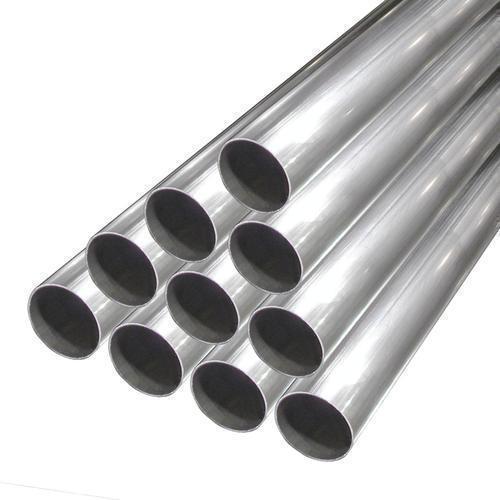
For a very long time, galvanized pipes were in use. They are primarily utilized for pipe conveyance in the construction industry. Due to the rapid deterioration of other materials caused by rust, it is also widely used in marine applications. The pros and cons of GI Pipes coexist. If you plan to use galvanized pipe for your project, you should first become familiar with its benefits and drawbacks. Its strength and resistance to corrosion are among the factors contributing to its appeal.
Advantages of GI Pipes
Better Anti Rust Functionality
Regular pipes are vulnerable to rust, including other external factors. The iron pipe's corrosion rate increases as it comes into contact with air, water, and moisture content. At the same time, the surface of GI Pipes has a good rust-protective coating that can shield the iron from corrosion. Galvanized pipe is ideal if your product will be used outside or in a challenging environment.
By providing an extra layer of Zinc coating, the rust will pass through if the pipe is contaminated by rust. The iron reacts with oxygen and water and quickly causes rust, leading to the object's deterioration. This zinc coating aids these elements are less likely to get corroded.
Lower Prices and Affordable Maintenance
The galvanizing process is usually less expensive than other popular pipe protection methods. It is because different methods typically require a lot of labour work. On the other hand, galvanizing requires less physical and mechanized work. Galvanization is one of the cheapest methods for shielding iron; therefore, tubes created from this technique are generally less expensive than those made from more costly methods.
Extended Service Life
Pipe replacements are a time and money waste. People prefer to keep their pipes the same continuously. Everybody wants to extend the life of their pipes. The Galvanized pipes are best suited if you wish for your pipes to survive longer.
The lifespan of galvanized iron pipes is extremely lengthy. Rural areas with less pollution can endure more than 50 years, but in extensive pollution-exposed urban and coastal environments, they can last more than 25 years.
Affordable Prices
According to an online pricing comparison, GI Pipes and other GI Products are more affordable than stainless steel pipes. A competitive price is highly alluring, as Galvanized pipes are often manufactured in bulk because of the demand in large-scale industries.
Disadvantages of Using GI Pipes
Internal Corrosion
The pipe will eventually start to corrode internally as the galvanized covering breaks off over time, which could result in pipe rupture or a leak. You can protect the pipe's function from corrosion by doing routine cleaning if you want to prevent corrosion of your pipes.
Water Pollution
Corrosive agents, such as lead products, and moisture in the air will be exposed by the metal Iron in galvanized pipes that may pass into your water supply when they corrode. These corrosive materials may accumulate in the pipes, degrading the water and, in certain situations, endangering your health. Galvanized pipes can be used for piping that carries water.
Galvanized Iron Pipes have a longer service life than their competitors due to rigidity and roughness. Their added advantage is that they are usually leak-resistant, which adds to their value. Most builders use GI Pipes in their work as they are corrosion-resistant, have a longer life, low maintenance, and are available in many sizes. Apart from this, they are best suited for coastal areas.
The galvanized iron pipes are often subject to stringent quality controls to ensure their durability. While manufacturing the pipes, the manufacturers usually adhere to quality regulations and provide high-quality standards. In this way, they can get a rigid product with a significant market demand, which is rare in this segment.
Explore range of GI Pipes on L&T-SuFin
L&T-SuFin offers a wide range of GI Pipes via verified suppliers. Buyers seeking to enquire GI Pipes can also avail other services such as Finance and logistics support.
Know How To Extend The Life Of Your Electrical Wires
Electrical wires are an essential component in any building or industrial setup. They are responsible for transporting electricity from one point to another, powering everything from lights to machines. However, like all things, electrical wires have a lifespan and eventually need to be replaced. The good news is that with proper maintenance and care, you can extend the life of your electrical wires. In this article, we will explore the various ways you can prolong the life of your electrical wires and keep them running smoothly.
Tips For Extending The Life Of Your Electrical Wires
Electrical wires are crucial in powering our homes, buildings, and industries. However, with regular usage and exposure to various elements, these wires can become worn and damaged, leading to costly repairs and replacements. But what if you could extend the life of your electrical wires and avoid these issues? With the proper knowledge and maintenance techniques, it's possible to prolong the lifespan of your electrical cables and keep your electrical systems running smoothly.
Understanding the Types of Electrical Wires
Electrical wires come in various materials and sizes, each with unique properties and advantages. Some of the most common materials used in electrical wires include copper, aluminium and steel. Understanding the types of cables available and their specific uses can help you make informed decisions when purchasing and maintaining your electrical wires.
There are several types of wires, each with specific usage and application. For example, thermoplastic high-heat nylon (THHN) wires are suitable for conduits and raceways, while thermoplastic flexible fixture nylon (TFFN) wires are ideal for damp locations. Understanding the types of cables and their intended usage will help you make an informed decision about purchasing and maintaining them.
Considering the Environment of Installation
When buying electrical wires, you must consider the environment in which you are installing the cables. Will they be exposed to moisture, heat or other harsh conditions? The type of wire you choose and install should withstand the specific conditions of the environment where you place them. Consider the wire's current carrying capacity or ampacity and the voltage rating. It ensures that the electrical cables can handle the electricity they will carry.
Electrical wires can pose a serious safety hazard if not used and maintained correctly. It's essential to take the necessary precautions to ensure that your electrical wires are safe to use, including regular inspections and maintenance, proper installation and regular testing.
Insulation of Electrical Wires
Electrical wires come with various features and specifications, such as insulation, temperature and voltage ratings and wire gauge. Understanding these features and specifications can help you make informed decisions about the wires you choose.
When it comes to maintaining and extending the life of your electrical wires, one of the most important things to consider is insulation. Insulation protects the wire from heat, moisture and other environmental factors. Over time, insulation can become damaged, leading to wire failure. To prolong the life of your wires, regularly inspect the insulation for any signs of wear and tear and replace it as needed.
Use of Proper Installation Techniques
Another vital aspect to consider to extend the life of your electrical wires is the use of proper installation techniques. These techniques include using the correct size and type of wire for the intended application and ensuring they are properly grounded and protected. Suitable wire connectors and terminations are also essential to provide a secure and reliable connection.
Following the manufacturer's instructions and guidelines is essential to ensure your electrical wires' proper usage and safety. These instructions include proper installation, regular maintenance and testing and ensuring that the cables are compatible with your electrical system.
Using High-quality Materials
When purchasing electrical wires, it's important to consider material, size and durability factors. Look for cables built from high-quality materials to ensure the longevity of the electrical wires. It's also essential to consider your electrical system's specific needs and requirements to ensure that your chosen wires are compatible.
Using materials of the highest quality is essential when manufacturing electrical wires. It ensures that the cables are durable, reliable and can withstand the test of time. High-quality materials also ensure that the wires are safe to use, reducing the risk of fire or other hazards. High-quality electrical wires can offer several benefits, including improved electrical performance, increased energy efficiency and reduced maintenance costs.
Buy high quality electric wires on L&T-SuFin
By following the tips and tricks outlined in this guide, you can extend the life of your electrical wires and keep your electrical systems running smoothly. L&T SuFin is a leading platform where you can buy industrial products online. With logistics and financial support available for all products and a wide range of electrical wires, you can effectively fulfil all your industrial product needs. Check out our website for more options and details.